
An illustrated introduction to eight religious traditions: their central ideas, texts, practices and differences. This is not a ranking or an exhaustive list. Beliefs and observance vary within every tradition.
Understanding Buddhism · Tibetan traditions and other schools →
Buddhism
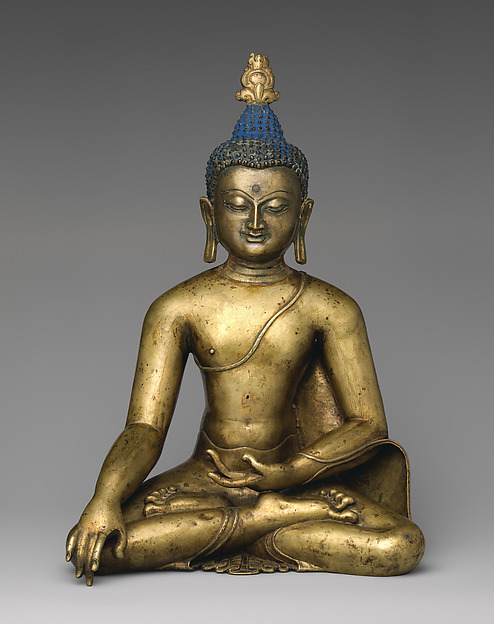
Central ideas
Centres on awakening and freedom from suffering, with teachings on dependent arising and impermanence; generally not centred on a creator god.
Major texts
Pali, Chinese and Tibetan canons, with different textual emphases across traditions.
Common practices
Ethics, meditation, study, chanting and generosity. Theravada, Mahayana and Vajrayana share foundations while differing in teachings and ritual.
Understanding differences
A Buddha is an awakened one. Tibetan Buddhism is a Buddhist tradition, and Gelug is one of its schools.
Christianity

Central ideas
Centres on Jesus Christ, salvation and faith in God. Most denominations affirm the Trinity.
Major texts
The Bible, comprising Old and New Testaments; the canon varies among churches.
Common practices
Prayer, worship, scripture, baptism, communion and service, with different understandings of sacraments.
Understanding differences
Major traditions include Catholicism, Orthodoxy and Protestantism. In some Chinese usage “Jidujiao” refers specifically to Protestantism; Christianity in the broader sense includes Catholicism.
Islam
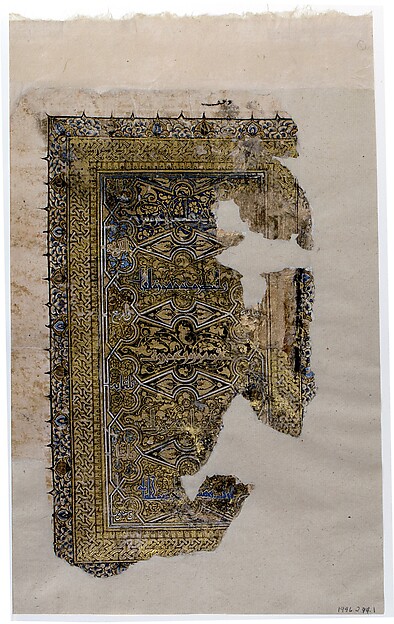
Central ideas
Affirms the oneness of God and honours Muhammad as a prophet. Allah is the Arabic word for God.
Major texts
The Qur’an is central; hadith preserve reports of the Prophet’s words and actions.
Common practices
Professing faith, prayer, almsgiving, fasting and pilgrimage are important. Sunni Islam commonly describes these as five pillars; Shi‘i and other traditions have distinct interpretations and structures.
Understanding differences
Muslims belong to many languages and cultures, not only Arab societies. Islam has historical connections with Judaism and Christianity, with differing understandings of revelation and prophecy.
Hindu traditions
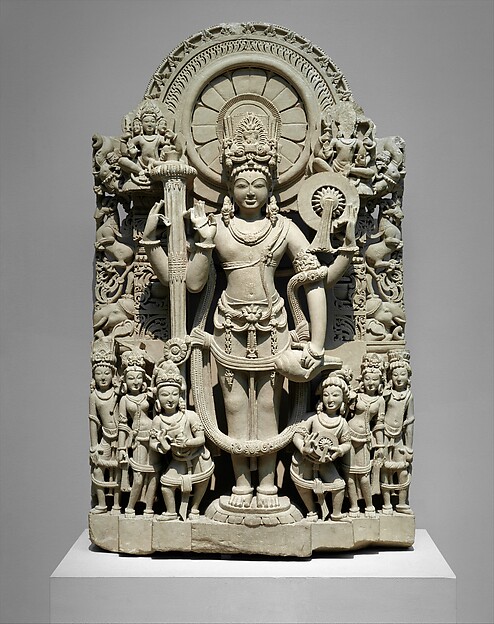
Central ideas
A diverse family of South Asian traditions with varied theologies and philosophies. Dharma, karma, rebirth and liberation are recurring themes.
Major texts
The Vedas, Upanishads, Bhagavad Gita and Puranas, with different emphases across traditions.
Common practices
Worship, festivals, pilgrimage, devotion, yoga and philosophical study, including traditions centred on Vishnu, Shiva or the Goddess.
Understanding differences
The label “polytheism” does not cover all Hindu thought. There is no single founder or institution governing all Hindus; Vishnu illustrates one important tradition.
Judaism
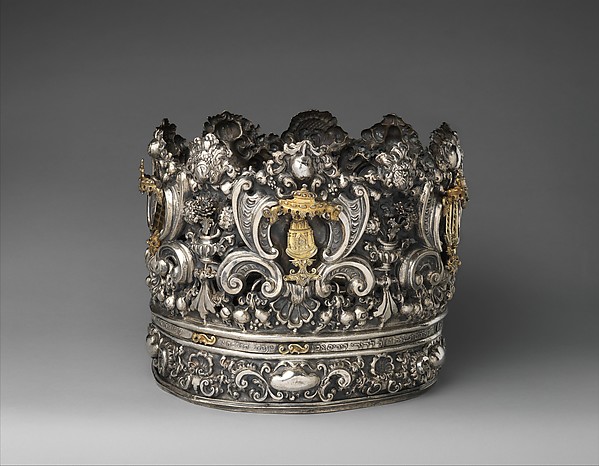
Central ideas
A monotheistic tradition closely connected with Jewish history, covenant, law and communal life.
Major texts
The Tanakh, or Hebrew Bible, especially the Torah; the Talmud and rabbinic interpretation are also important.
Common practices
Shabbat, prayer, study, festivals and commandments, understood differently in Orthodox, Conservative, Reform and other communities.
Understanding differences
Jewish identity includes religious, cultural, communal and historical dimensions; beliefs and observance are not uniform.
Sikhism
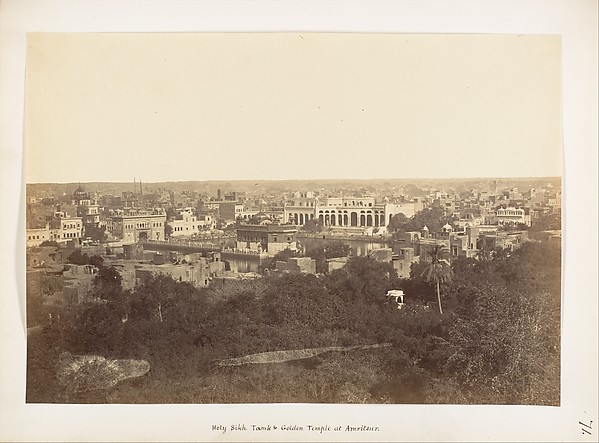
Central ideas
A monotheistic tradition shaped by Guru Nanak and succeeding Gurus, emphasizing divine oneness, equality and honest living.
Major texts
The Guru Granth Sahib is honoured as the eternal Guru and is central to worship and guidance.
Common practices
Remembering the divine Name, singing hymns, honest work, sharing and selfless service. The communal meal at a gurdwara expresses equality and service.
Understanding differences
Sikhism is a distinct tradition, not simply a mixture of Hinduism and Islam. A turban alone does not identify someone’s religion.
Daoism
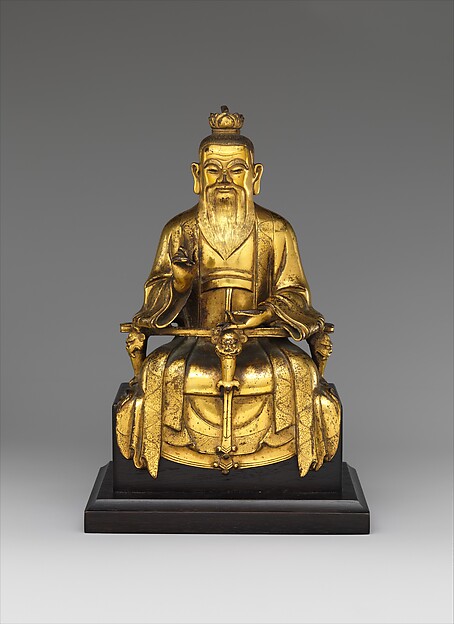
Central ideas
Developed in China around the Dao, with diverse traditions of cultivation, liturgy and divine beings.
Major texts
The Daodejing, Zhuangzi and the many scriptures collected in the Daoist canon.
Common practices
Scripture, ritual, cultivation, festivals and ethical teachings, with distinctive Zhengyi, Quanzhen and other traditions.
Understanding differences
Daoist philosophy and religious traditions are historically connected, but Daoism is more than philosophy and does not encompass every Chinese folk custom.
Shinto
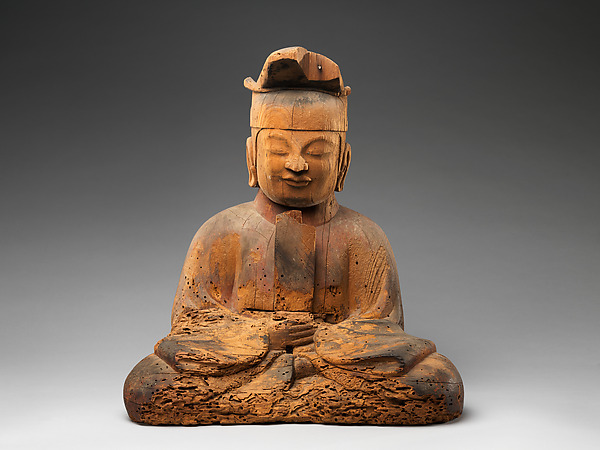
Central ideas
Closely connected with Japanese history and culture, emphasizing kami, shrines, purification and relationships with nature and community.
Major texts
The Kojiki and Nihon Shoki preserve important narratives, without forming a single binding scripture for every Shinto tradition.
Common practices
Shrine visits, purification, festivals and local community observances.
Understanding differences
Kami has a broad range of meanings. Shinto and Buddhism have interacted for centuries, and people may participate in rituals from both traditions.
Images illustrate a particular artwork, place or period; they do not represent every community. Compiled for general education, 9 September 2026.