
You do not need to memorize every image and term first. Choose one short lesson, consider one question and bring a kind intention into daily life. This editorial route emphasizes Gelug lamrim while introducing foundations shared across Tibetan traditions.
Editorial study guide · Chinese / English · Updated 9 September 2026
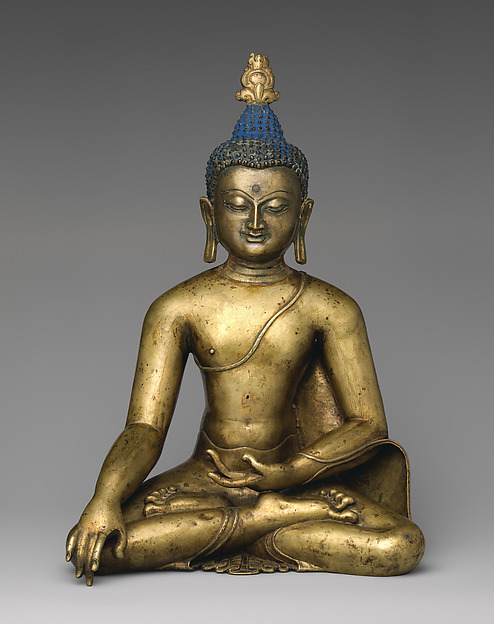
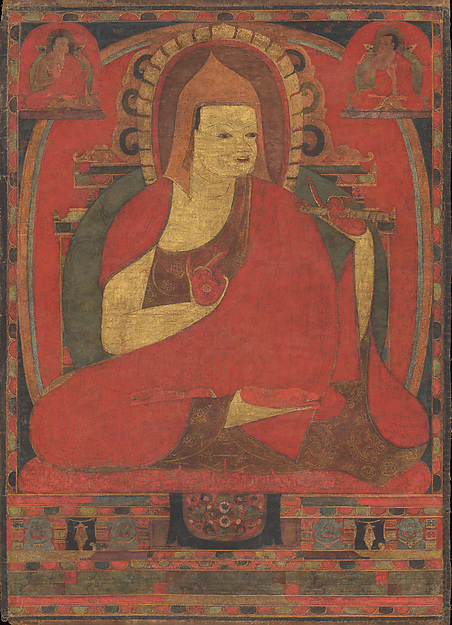
01 · What does Buddhism address?
Buddhism developed from Shakyamuni Buddha’s teachings. The Four Noble Truths examine suffering, its origin, its cessation and the path to cessation. They acknowledge difficulty while pointing toward a path of learning and change.
Begin with a broad sense of suffering: obvious pain as well as the insecurity of experiences that cannot be kept permanently under our control. Reliable texts can help clarify the finer distinctions.
02 · The Three Jewels and refuge
The Buddha, Dharma and Sangha are the Three Jewels. An introduction can begin with the awakened teacher, the teaching and path, and the community of practice; classical texts also use more precise definitions.
Understand refuge before rushing into a ceremony. Ask a reliable teacher about its meaning, commitments and daily expression. Refuge and tantric empowerment are distinct.
03 · Karma, change and responsibility
Karma concerns intentional actions and their consequences. Impermanence points to changing bodies, minds and circumstances. Begin by noticing how intentions, speech and habits affect yourself and others.
Do not use karma as a shortcut for judging someone who suffers. Our suggested reflection is to take responsibility for what you can influence and offer practical help.
04 · Why does Gelug emphasize lamrim?
Lamrim arranges diverse teachings into a graduated route. Atisha’s Lamp for the Path is an important foundation; Tsongkhapa later developed extensive presentations, including the Great Treatise on the Stages of the Path.
Begin with the value of human life, impermanence, refuge and karma, then explore liberation and the bodhisattva path. A study sequence is not a claim of spiritual attainment after finishing a page.
05 · Compassion and bodhicitta
Compassion concerns beings’ freedom from suffering. Bodhicitta is the aspiration to full awakening for their benefit. Tsongkhapa’s Three Principal Aspects presents renunciation, bodhicitta and correct view as mutually supporting foundations.
Our everyday exercise is to begin concretely: listen patiently, help someone or appreciate another person’s beneficial action. Kind intentions can be cultivated repeatedly.
06 · Why is emptiness not nothingness?
In this introductory Madhyamaka context, emptiness concerns the absence of independent, self-established existence. Dependence on conditions, parts and designation does not erase consequences. Tsongkhapa stresses understanding emptiness together with dependent arising.
Do not rush to explain everything with the word empty. Read one argument carefully, note questions and seek reliable explanation. Interpretations should be understood in their philosophical contexts.
07 · Schools, transmission and practice conditions
Nyingma, Kagyu, Sakya, Gelug and other traditions preserve distinctive teachers, texts and study arrangements. Begin with authorship, transmission and the particular text rather than classifying a tradition by colour or slogan alone.
Reading a public introduction does not confer empowerment, transmission or instruction. Even practices associated with one deity can have different requirements. Read the conditions of the exact version and ask a qualified teacher.
08 · Find a sustainable study rhythm
Try our suggested ten-minute routine: settle quietly, read a short sourced passage, write one question and form an intention to act kindly today. Follow the texts and instructions you have learned for recitation.
Daily Practice can record recitations or a custom study activity. Counts help review habits; they are not a complete measure of compassion or wisdom. Revisit questions before choosing the next reading.