
30 illustrated readings: the original six stories and historical introductions, plus 24 Jataka fables. Each story identifies its source and type.
Stories, legends & historical introductions
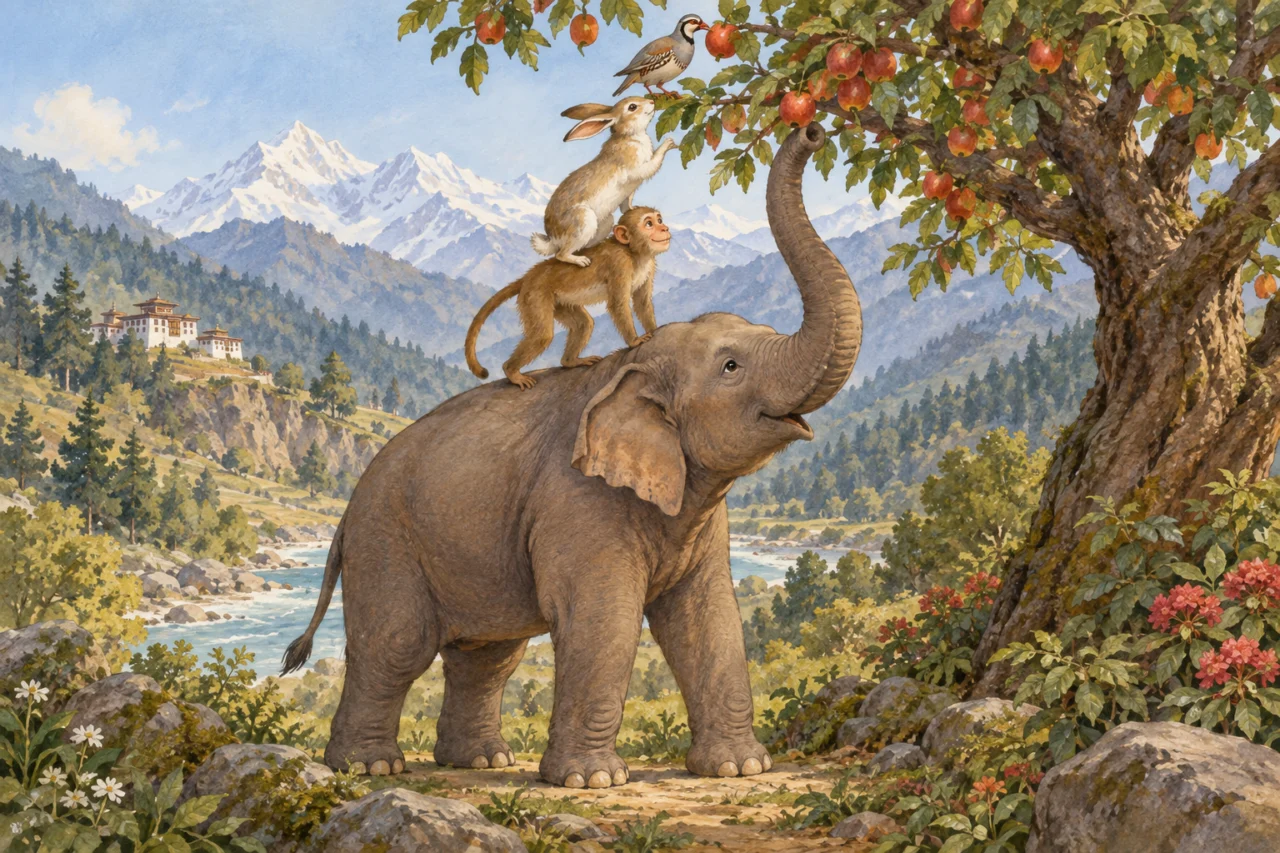
Four friends: reaching together
Recognize someone whose different strengths have helped you.
Read the story →
Asanga and Maitreya: compassion on the road
Set aside the question of your own progress and notice who needs help.
Read the story →
A mustard seed: grief is shared
When someone is grieving, listen before offering explanations.
Read the story →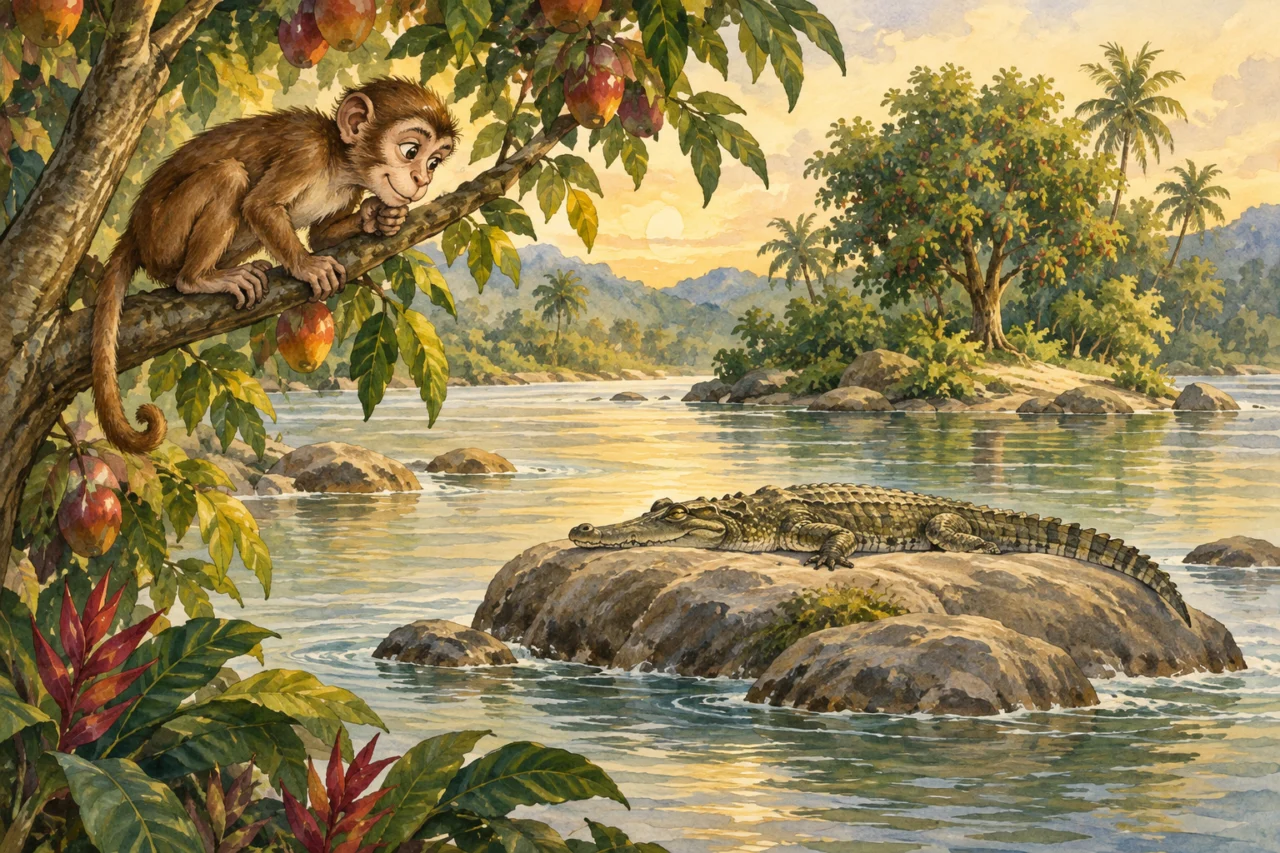
The monkey and the crocodile: pause and notice
Pause and check when someone pressures you to decide immediately.
Read the story →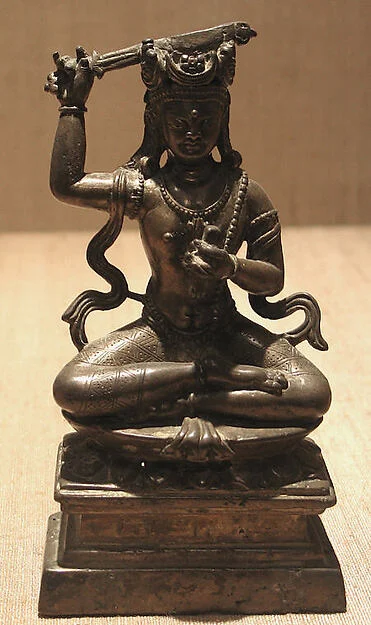
Why bow to a patch of grey earth?
Ordinary places can become meaningful through people and their actions.
Read the story →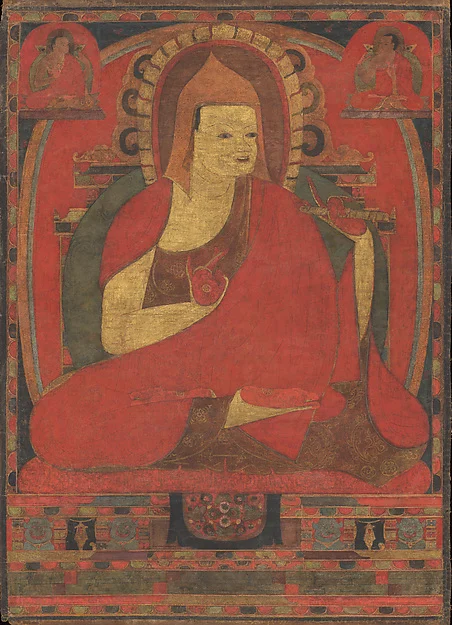
Atisha’s lamp: finding a path through many teachings
Choose one question today and understand it a little better.
Read the story →Jataka fables · Shared Buddhist heritage
Short retellings adapted from Ellen C. Babbitt’s historical collections, with original illustrations by Ellsworth Young. These Indian Buddhist fables are not exclusively Tibetan stories, canonical translations or historical reports. Fables use imaginary events to invite reflection; interpretations vary.
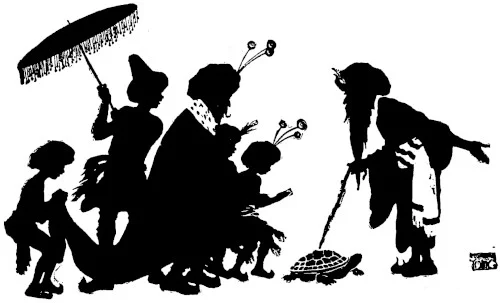
The Turtle’s Escape
A captured turtle hears people discussing what to do with it. When someone suggests water, it acts terrified.
They throw it into the lake. Back in its own element, the turtle swims away.
A moment to reflect In difficulty, notice your surroundings and strengths. A tale of quick thinking is not a general endorsement of deception.
Adapted from Ellen C. Babbitt, Jataka Tales (1912), chapter II · Source text & illustration
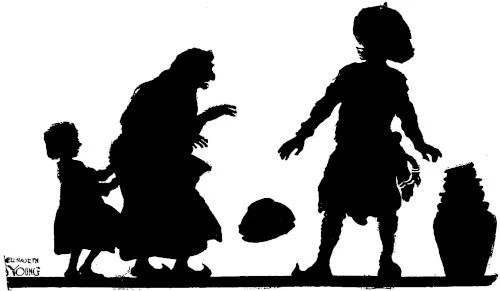
The Bowl and the Honest Merchant
A trader recognizes a poor family’s old bowl as gold but dismisses it as worthless, hoping to acquire it cheaply later.
A second trader explains its value honestly and offers the money and goods he can afford. By the time the first returns, the exchange is complete.
A moment to reflect Honesty can mean giving up an unfair advantage while preserving trust.
Adapted from Ellen C. Babbitt, Jataka Tales (1912), chapter III · Source text & illustration
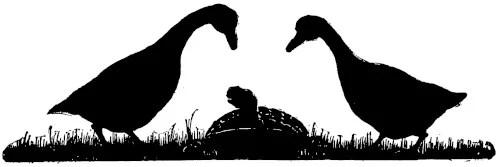
The Talkative Turtle
Two geese offer to carry a turtle on a stick held between them. It must hold the middle firmly and remain silent.
Hearing comments from below, the turtle cannot resist answering. It opens its mouth, loses its grip and falls.
A moment to reflect Not every comment needs an immediate reply. Remember what you are doing before speaking.
Adapted from Ellen C. Babbitt, Jataka Tales (1912), chapter IV · Source text & illustration
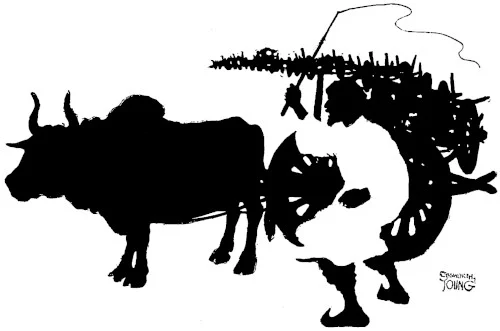
Kind Words and the Ox
An owner wagers that his ox can pull a heavy load, then insults it in front of the crowd. The ox refuses to move and the wager is lost.
On the next attempt the owner speaks respectfully. The ox pulls the load and helps recover the loss.
A moment to reflect Respect supports effort better than humiliation. The wager is part of the story, not advice to gamble.
Adapted from Ellen C. Babbitt, Jataka Tales (1912), chapter V · Source text & illustration
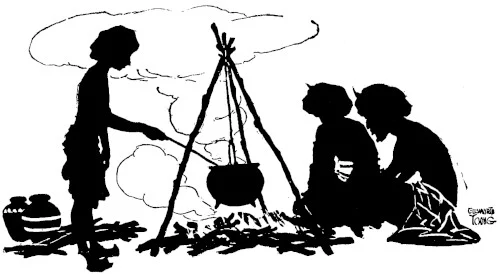
Water Beneath the Sand
A caravan crosses the desert at night but circles back when its guide falls asleep. With little water left, hope fades.
The leader notices grass and looks for water beneath it. The group digs, persists through rock and finds a spring.
A moment to reflect Persistence works best with observation and a practical method.
Adapted from Ellen C. Babbitt, Jataka Tales (1912), chapter VI · Source text & illustration
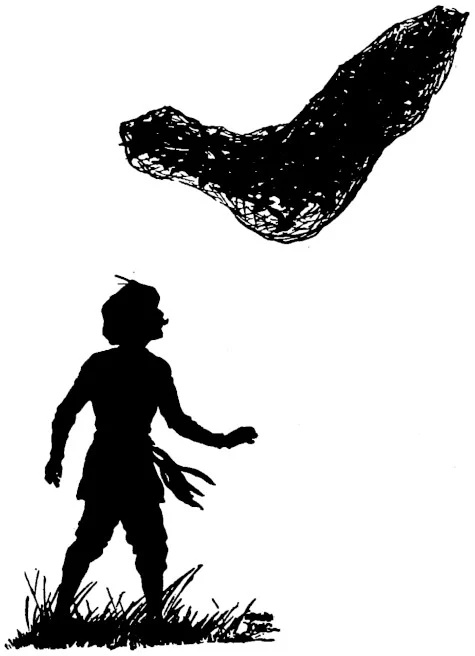
The Quails and the Net
A flock of quails escapes a hunter by lifting his net together and lowering it onto thorns.
Later, small disagreements become blame. When the net returns, they argue about who should lift instead of working together.
A moment to reflect Cooperation needs care before a crisis arrives.
Adapted from Ellen C. Babbitt, Jataka Tales (1912), chapter VII · Source text & illustration
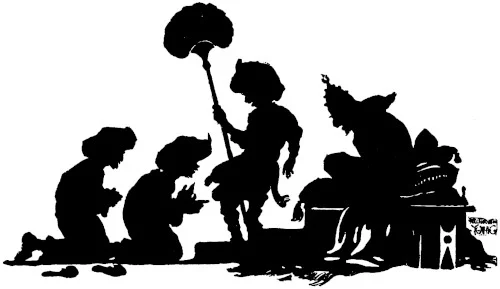
A Measure of Rice
A king replaces a fair valuer with someone who arbitrarily prices a herd of horses at a measure of rice.
Asked what that rice is worth, the new valuer names the whole city. The contradiction exposes his lack of judgment.
A moment to reflect A fair judgment needs reasons, not whichever answer benefits us.
Adapted from Ellen C. Babbitt, Jataka Tales (1912), chapter VIII · Source text & illustration
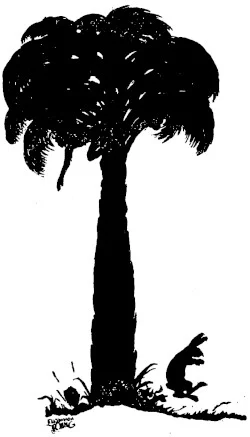
The Hare Who Heard a Crash
A falling fruit startles a resting hare. Convinced the world is ending, it runs, spreading alarm through the animals.
A lion pauses the crowd and returns with the hare to the starting point. They find the fruit and the ordinary cause of the sound.
A moment to reflect Check the source before spreading an alarming message.
Adapted from Ellen C. Babbitt, Jataka Tales (1912), chapter IX · Source text & illustration
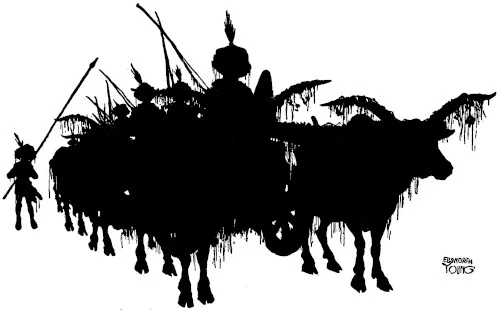
The Wise Caravan
Strangers appearing wet claim that water lies ahead and urge a caravan to discard its supply. Those who trust the claim are left in danger.
Another leader keeps the stored water until a real source is found. His caution protects the caravan.
A moment to reflect Kindness and careful judgment can go together.
Adapted from Ellen C. Babbitt, Jataka Tales (1912), chapter X · Source text & illustration
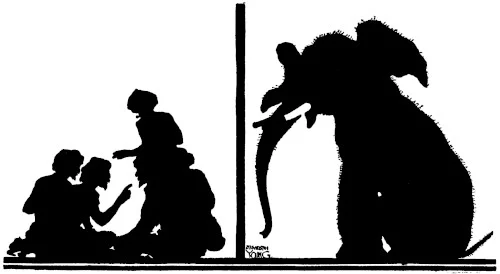
What the Elephant Heard
A gentle elephant repeatedly hears robbers discussing violence and becomes aggressive. Its keepers are puzzled.
A wise observer changes the company around it. Hearing calm and considerate speech, the elephant gradually settles.
A moment to reflect Notice the words you absorb and the atmosphere you create.
Adapted from Ellen C. Babbitt, Jataka Tales (1912), chapter XI · Source text & illustration
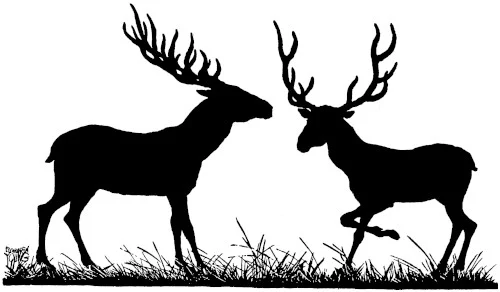
The Banyan Deer
A pregnant doe asks to postpone her turn to be killed. A deer king from another herd goes in her place.
Moved by the king’s willingness to protect another life, the human ruler grants protection. The deer asks that this care extend beyond a single individual.
A moment to reflect Compassion can begin with one life and widen outward.
Adapted from Ellen C. Babbitt, Jataka Tales (1912), chapter XII · Source text & illustration
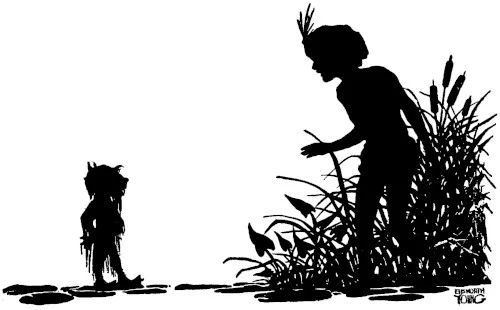
The Princes at the Lake
Two princes enter a lake and are held by a water spirit after failing its question about goodness.
Their elder brother listens, answers in terms of ethical conduct and explains why both brothers matter. The spirit releases them.
A moment to reflect Understand the question and respond with care for everyone involved.
Adapted from Ellen C. Babbitt, Jataka Tales (1912), chapter XIII · Source text & illustration
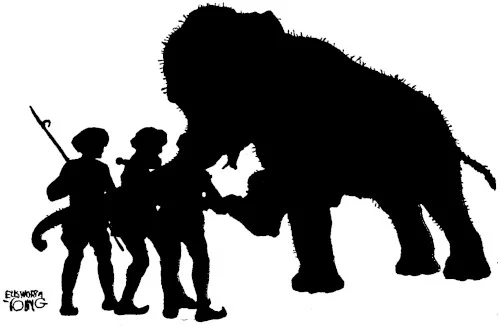
The White Elephant and the Carpenters
Carpenters help an elephant with an injured foot. After recovering, it helps them carry timber.
It later brings its young one into this relationship of mutual care. The tale continues with the white elephant joining the king and remembering its companions.
A moment to reflect Pass on the care you have received in ways you can manage.
Adapted from Ellen C. Babbitt, Jataka Tales (1912), chapter XIV · Source text & illustration
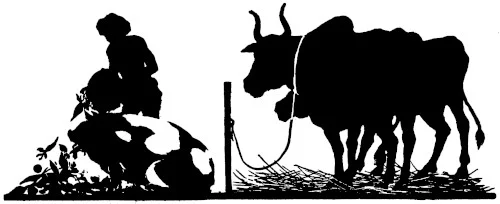
The Ox Who Envied the Pig
A working ox envies a pig’s rich food. An older ox advises it to wait before judging.
The pig is later killed for a feast. The ending reveals a context hidden by the apparent comfort.
A moment to reflect Look beyond a small visible part of someone else’s circumstances.
Adapted from Ellen C. Babbitt, Jataka Tales (1912), chapter XV · Source text & illustration
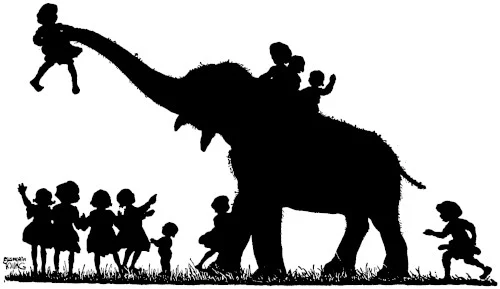
Granny’s Black Ox
An ox raised by a poor grandmother wants to help her. It pulls a merchant’s heavy carts across a difficult stretch.
When underpaid, it insists on the agreed amount and takes the money home. Its grandmother sees both the effort and the affection.
A moment to reflect Care can become a practical act that lightens another person’s burden.
Adapted from Ellen C. Babbitt, Jataka Tales (1912), chapter XVI · Source text & illustration
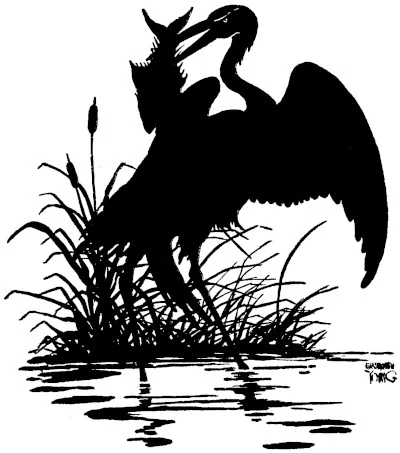
The Crab and the Crane
A crane promises to carry fish to safer water but secretly eats them. A crab travels holding its neck.
Seeing fish bones below, the crab understands the deception and defends itself. The tale has a violent ending; its useful focus is recognizing false promises.
A moment to reflect Compassion need not mean credulity. Check a promise that sounds too good.
Adapted from Ellen C. Babbitt, Jataka Tales (1912), chapter XVII · Source text & illustration
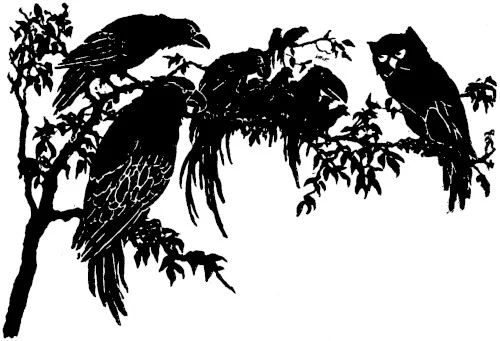
Why the Birds Chose Again
The birds consider choosing an owl as king. A crow questions how a creature so stern in appearance might act when angry.
The objection provokes conflict and the choice is reconsidered. The fable asks what qualities should matter in a leader.
A moment to reflect Look for patience and judgment, including room for disagreement, rather than judging by appearance.
Adapted from Ellen C. Babbitt, Jataka Tales (1912), chapter XVIII · Source text & illustration
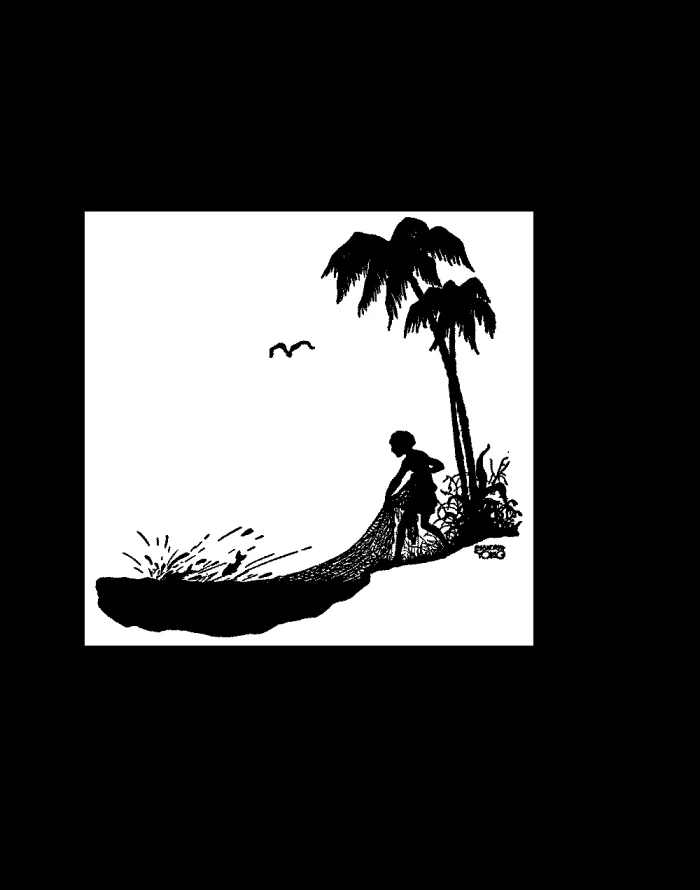
The Three Fishes
Three fish move near a town. One warns about fishing nets, while the others keep delaying their departure.
When they are caught, the careful friend splashes around the net. The fisherman loosens it, and the trapped fish escape.
A moment to reflect Act on a sound warning before trouble forces the decision.
Adapted from Ellen C. Babbitt, More Jataka Tales (1916), chapter II · Source text & illustration
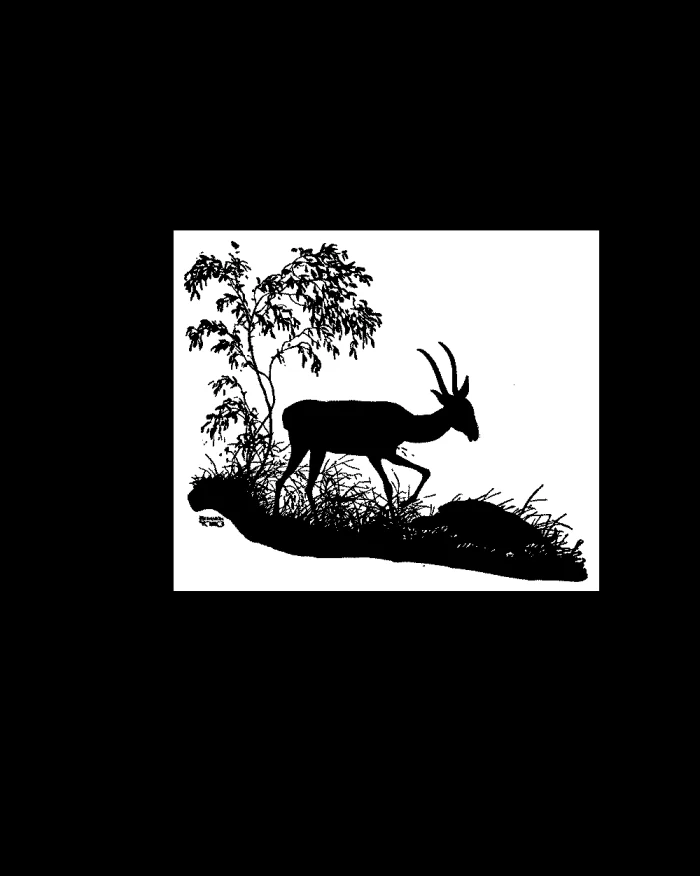
Three Friends in the Forest
A deer is trapped. A turtle gnaws the leather while a woodpecker delays the hunter. The deer escapes, but the exhausted turtle is caught.
The deer draws the hunter away and returns to free the turtle from a bag. Each friend contributes a different strength.
A moment to reflect Mutual care includes returning for the one who helped you.
Adapted from Ellen C. Babbitt, More Jataka Tales (1916), chapter IV · Source text & illustration
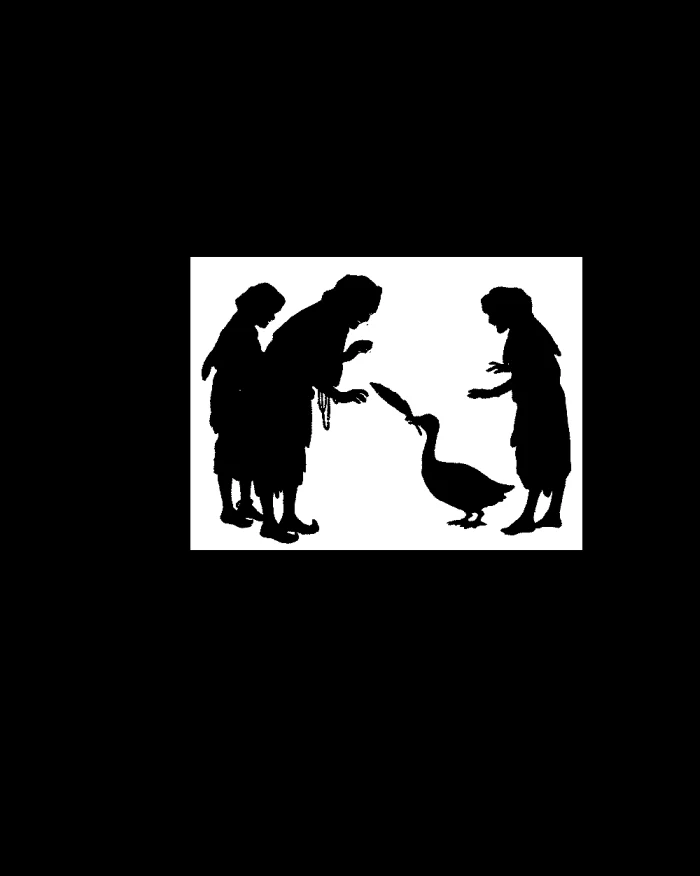
The Golden Goose
A golden goose offers feathers one at a time to support a poor family. Afraid the gifts may stop, the mother wants them all at once.
Despite her daughters’ objections, she plucks the goose. The feathers become ordinary, and the recovered bird leaves.
A moment to reflect Value generosity and respect the giver’s boundaries.
Adapted from Ellen C. Babbitt, More Jataka Tales (1916), chapter V · Source text & illustration
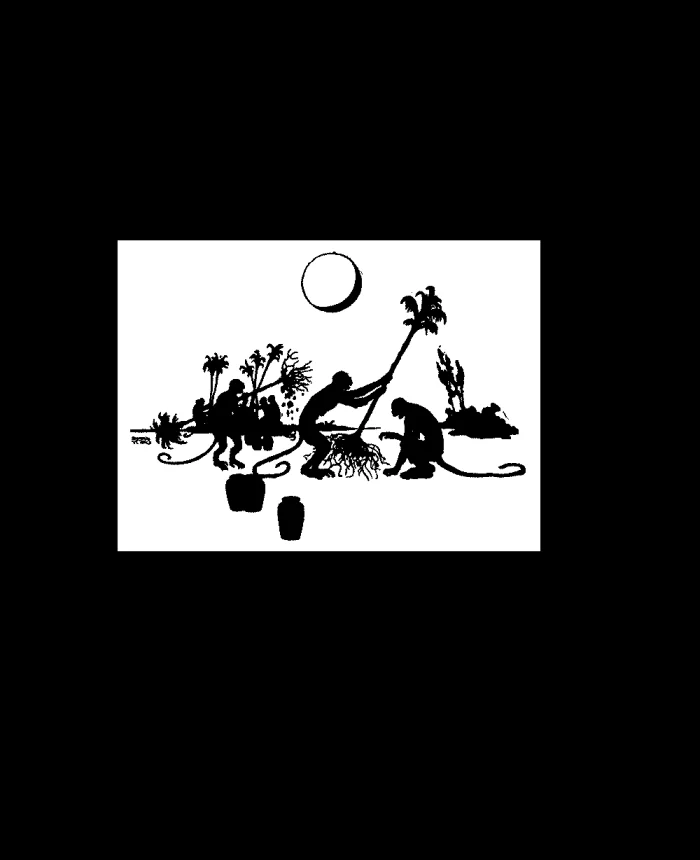
The Monkeys Water the Garden
Monkeys agree to water a gardener’s young trees. Unsure how much water to give, their leader tells them to pull up each tree and inspect its roots.
They work hard, but the trees die. Their helpful intention lacks the knowledge needed for the task.
A moment to reflect Ask when you do not know. Willingness to learn is part of kindness.
Adapted from Ellen C. Babbitt, More Jataka Tales (1916), chapter VI · Source text & illustration
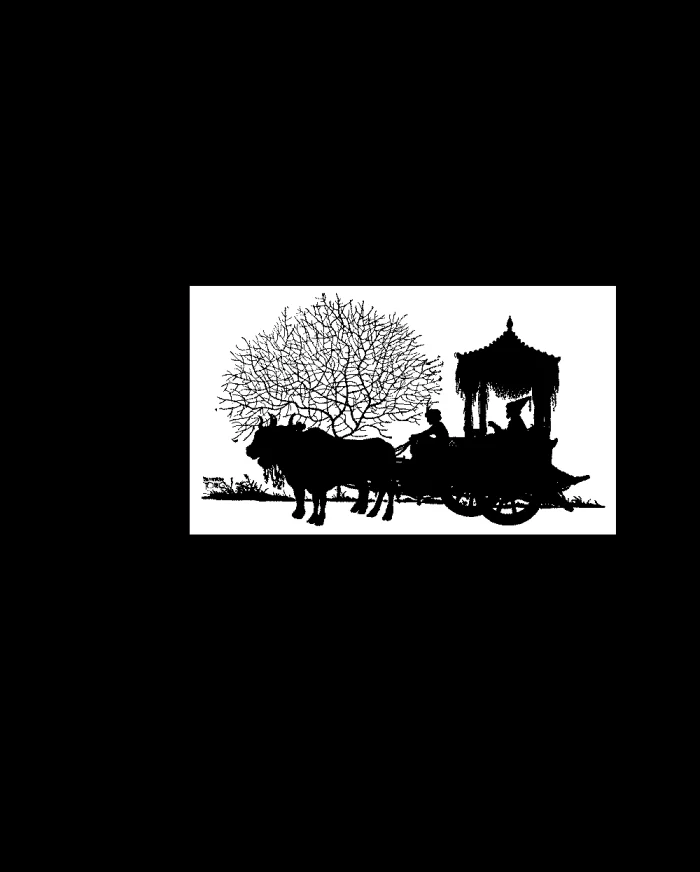
One Tree, Four Seasons
Four princes visit the same tree at different times. One sees bare branches, another buds, another leaves and another pods. Each insists the others are wrong.
Their father explains that the season changed. Each witnessed one part of the tree’s life.
A moment to reflect Adding time and context can turn an argument into understanding.
Adapted from Ellen C. Babbitt, More Jataka Tales (1916), chapter IX · Source text & illustration

The Otters Divide a Fish
Two otters catch a fish together but argue over sharing it. A passing wolf offers to settle the dispute.
It gives one the head and the other the tail, taking the best middle portion as its fee before they can object.
A moment to reflect Agree on fair rules and notice a mediator’s conflicts of interest.
Adapted from Ellen C. Babbitt, More Jataka Tales (1916), chapter XI · Source text & illustration
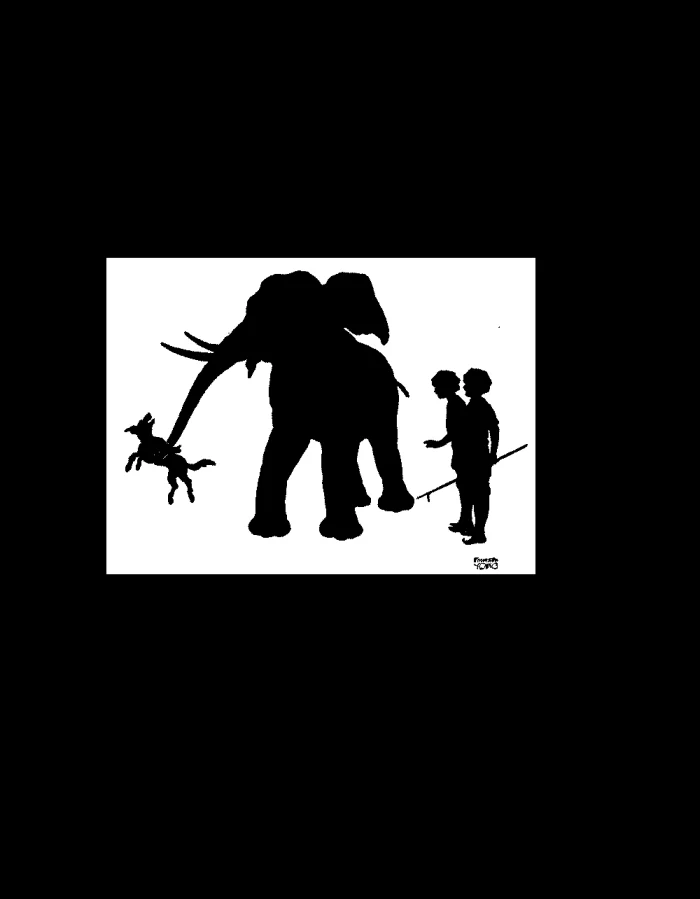
The Elephant and the Dog
An elephant and a dog share food and play. After the dog is taken away, the elephant loses interest in eating and bathing.
A careful observer recognizes its loneliness. When the dog returns, the elephant welcomes it and waits for its friend to eat first.
A moment to reflect Sometimes the needed help is understanding and companionship.
Adapted from Ellen C. Babbitt, More Jataka Tales (1916), chapter XXI · Source text & illustration