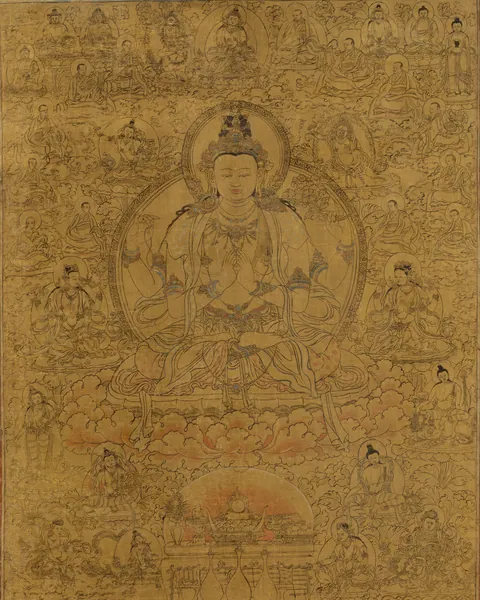
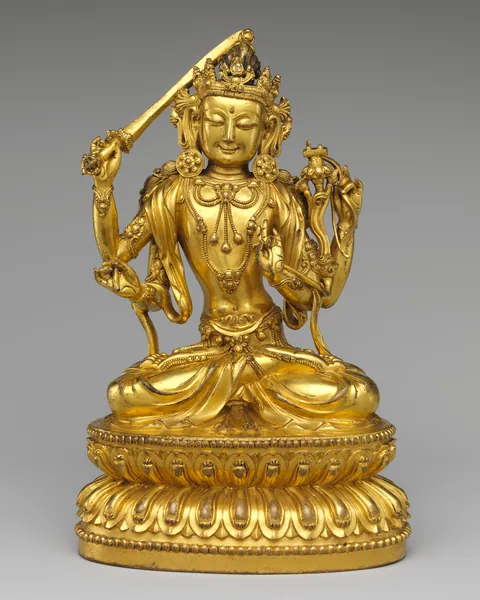
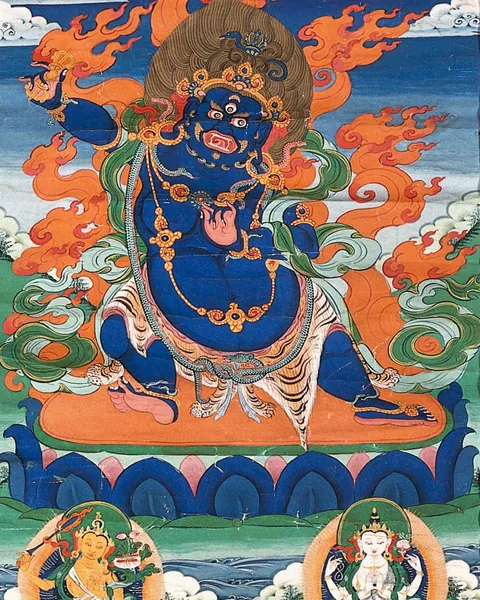
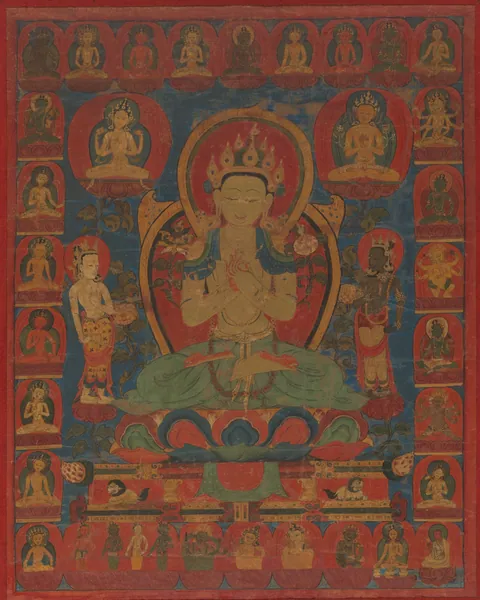
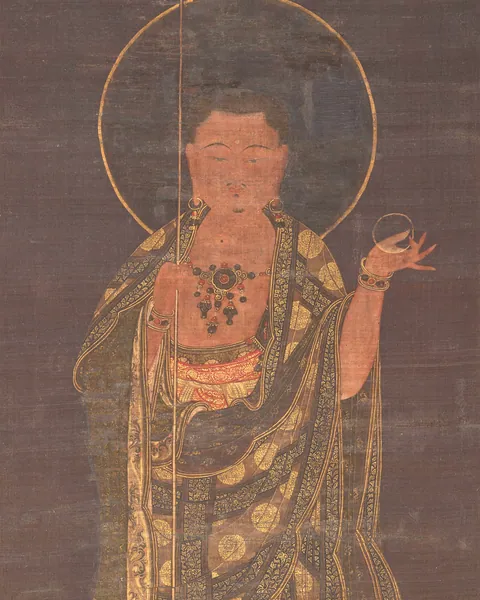
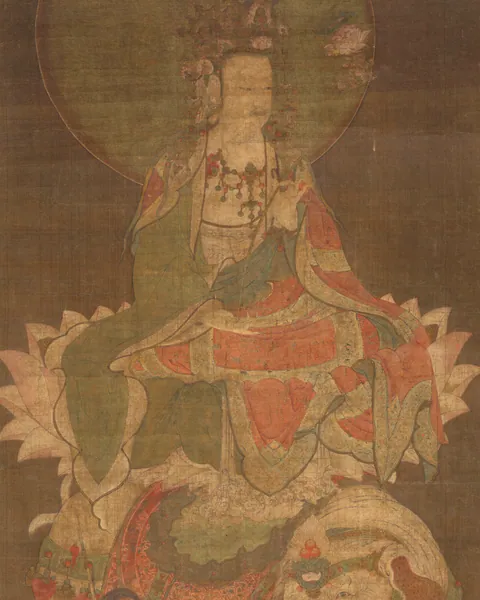
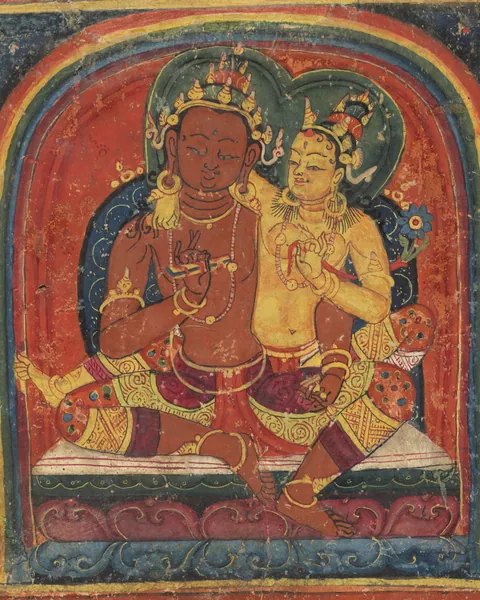
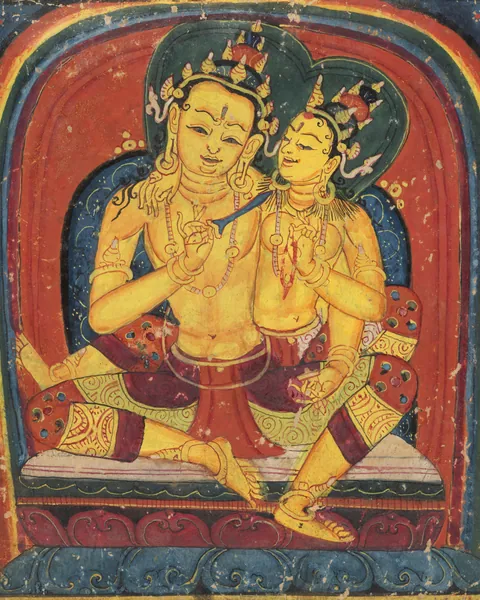
Bodhisattvas and Protectors

Explore 25 entries on buddhas, bodhisattvas, female enlightened figures, Vajrayana deities and Dharma protectors. Browse the categories for identities, historical art and introductory learning guidance. Practice resources primarily follow Gelug-related sources; the art is not a set of lineage-specific visualization instructions.

Shakyamuni Buddha

Buddha · Historical teacher

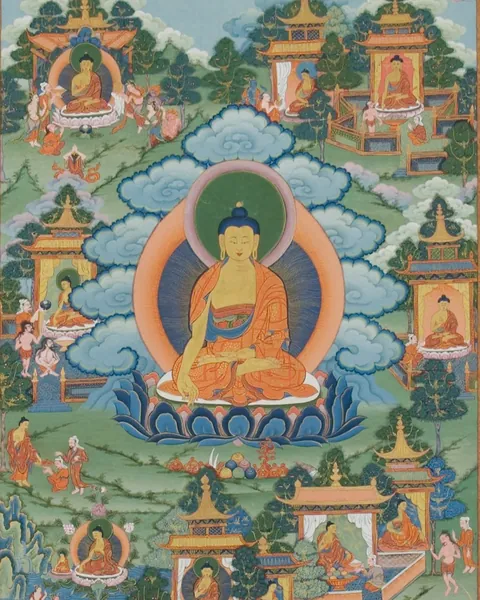
Shakyamuni, 12th century, Central Tibet.
Shakyamuni, 12th century, Central Tibet. The Met · Public Domain

Identity and meaning

Shakyamuni is the historical teacher of Buddhism. The Four Noble Truths, Noble Eightfold Path and training in ethics, meditation and wisdom offer starting points.

Understanding the image

The earth-touching gesture recalls the Buddhist account of calling the earth to witness before awakening.

Introductory study and practice guidance

Begin with his life and basic teachings; practise non-harming, truthful speech and awareness. Public praises provide a starting point for respectful recitation and dedication.

Related learning resources

Back to categories

Amitabha

Buddha · Infinite Light

Amitabha triad, circa 13th century, Korea.
Amitabha triad, circa 13th century, Korea. The Met · Public Domain

Identity and meaning

Amitabha is associated with the western pure land of Sukhavati. Prayers and practices relating to him also occur in Tibetan Buddhism.

Understanding the image

Amitabha appears centrally with Avalokiteshvara and Mahasthamaprapta. This Korean painting illustrates Buddhist art across regions.

Introductory study and practice guidance

Respectful name recitation, Sukhavati texts and aspiration prayers offer an introduction. Dedicated practices such as transference of consciousness require their own lineage instruction.

Sources and learning resources (English)

Back to categories

Amitayus

Buddha · Longevity prayers

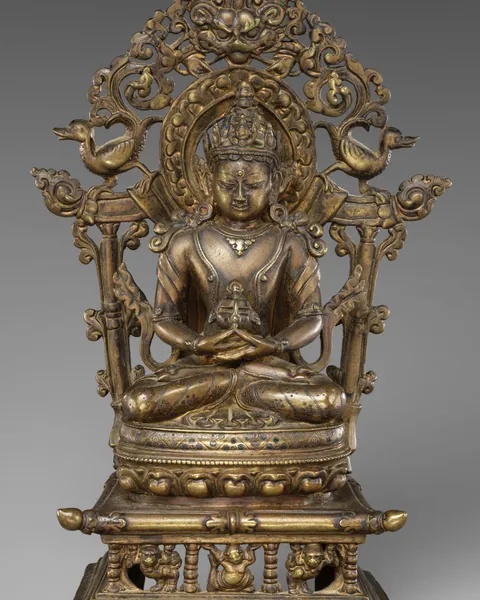
Enthroned Amitayus, early 15th century, Tibet.
Enthroned Amitayus, early 15th century, Tibet. The Met · Public Domain

Identity and meaning

Amitayus is closely related to Amitabha and is prominent in Tibetan longevity practices. Their names and iconographic contexts deserve distinction.

Understanding the image

Hands resting in meditation and a longevity vase are characteristic attributes of this form.

Introductory study and practice guidance

Study longevity prayers with the wish to use one’s life for learning and helping others. Confirm the requirements and commitments of a specific longevity practice.

Sources and learning resources (English)

Back to categories

Medicine Buddha

Buddha · Healing aspirations

Medicine Buddha assembly mural, circa 1319, formerly at Guangsheng Temple, Shanxi, China.
Medicine Buddha assembly mural, circa 1319, formerly at Guangsheng Temple, Shanxi, China. The Met · Public Domain

Identity and meaning

Bhaishajyaguru, the Medicine Buddha, is associated with aspirations to relieve suffering and deprivation.

Understanding the image

This Chinese mural depicts an assembly with Medicine Buddha, the Sunlight and Moonlight bodhisattvas, and guardians. It is not a Tibetan blue-body visualization diagram.

Introductory study and practice guidance

Begin with the Medicine Buddha sutra, his name and aspiration prayers, alongside practical care for people who are ill. Gelug-related texts are linked on this site; prayer does not replace medical care.

Related learning resources

Back to categories

Vairocana

Buddha · One of the Five Buddhas

Ritual crown panel depicting Vairocana, late 13th–early 14th century, Tibet.
Ritual crown panel depicting Vairocana, late 13th–early 14th century, Tibet. The Met · Public Domain

Identity and meaning

Vairocana, often rendered “Illuminator,” occupies an important place in several Buddhist scriptures and mandala systems. Forms vary by text and tradition.

Understanding the image

This image belongs to a historical ritual crown. A single panel does not establish the arrangement of a complete mandala.

Introductory study and practice guidance

Begin with introductory teachings on the Five Buddhas and buddhahood. Specific tantric rites require instruction within the relevant lineage.

Related learning resources

Back to categories

Akshobhya

Buddha · One of the Five Buddhas

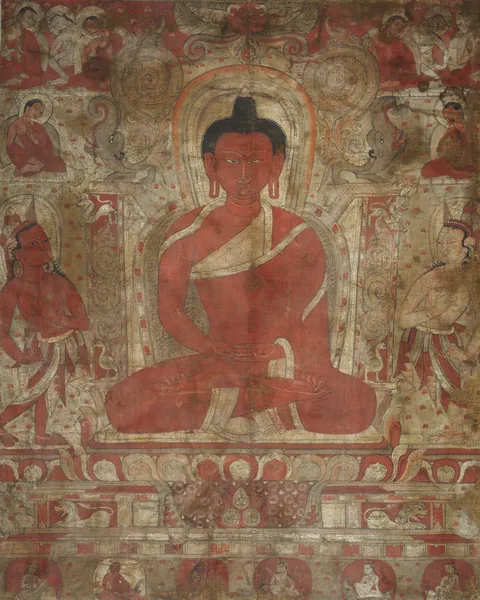
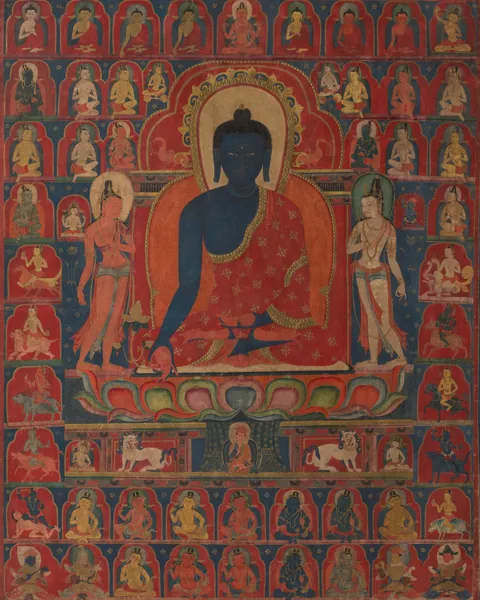
Akshobhya, 13th or early 14th century, Central Tibet.
Akshobhya, 13th or early 14th century, Central Tibet. The Met · Public Domain

Identity and meaning

Akshobhya, the Immovable One, is known in Tibetan as Mitrugpa. His symbolism includes transforming aggression into wisdom.

Understanding the image

The blue figure and vajra before the throne identify Akshobhya here. An earth-touching gesture alone does not identify every Buddha image.

Introductory study and practice guidance

Reflect on anger and practise patience. Public recitation and a full sadhana have different requirements; the FPMT long sadhana explicitly requires the appropriate empowerment.

Sources and learning resources (English)

Back to categories

Ratnasambhava

Buddha · One of the Five Buddhas

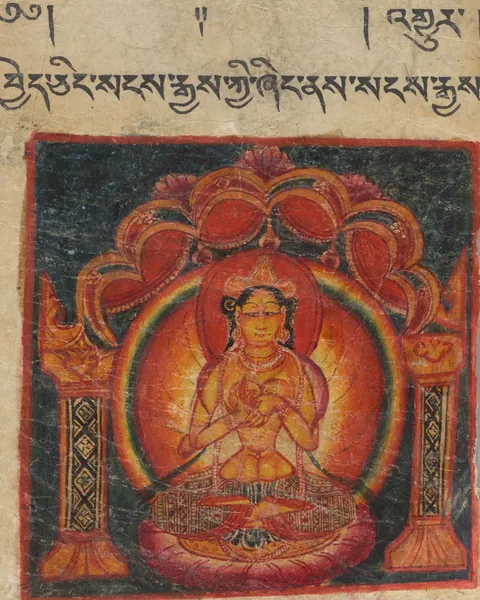
Historical ritual card of Ratnasambhava, early 15th century, Tibet.
Historical ritual card of Ratnasambhava, early 15th century, Tibet. The Met · Public Domain

Identity and meaning

Ratnasambhava is one of the Five Buddhas. His name means “Jewel-Born,” and he is associated with the jewel family and themes of generosity and equality.

Understanding the image

The image is from a historical initiation-card set and depicts a particular ritual form. It serves as art and identification material, not a Gelug practice diagram.

Introductory study and practice guidance

Study generosity and equality; work on pride and respect for others. Five-Buddha visualizations, gestures and mandala practice follow the appropriate empowerment and instruction.

Related learning resources

Back to categories

Amoghasiddhi

Buddha · One of the Five Buddhas

Amoghasiddhi with Eight Bodhisattvas, circa 1200–1250, Central Tibet.
Amoghasiddhi with Eight Bodhisattvas, circa 1200–1250, Central Tibet. The Met · Public Domain

Identity and meaning

Amoghasiddhi is one of the Five Buddhas, associated with the north in a common arrangement. His name expresses unfailing accomplishment.

Understanding the image

The green figure and gesture of reassurance distinguish Amoghasiddhi in this painting, surrounded by bodhisattvas.

Introductory study and practice guidance

Begin with perseverance in beneficial action, reducing envy and rejoicing in others’ progress. Do not construct a deity practice from an image alone.

Related learning resources

Back to categories

Vajradhara

Buddha · Vajrayana symbolism

Vajradhara, 15th century, Tibet.
Vajradhara, 15th century, Tibet. The Met · Public Domain

Identity and meaning

Vajradhara represents complete awakening and the source of tantric transmission in Vajrayana. He should be distinguished from Vajrapani and Vajrasattva.

Understanding the image

Crossed hands holding vajra and bell express the union of method and wisdom.

Introductory study and practice guidance

Establish a foundation in the stages of the path, bodhicitta and understanding emptiness. Guru yoga and tantric visualization follow qualified instruction and the relevant requirements.

Related learning resources

Back to categories

Avalokiteshvara

Bodhisattva · Compassion

Padmapani, the Lotus Bearer, 12th century, Tibet.
Padmapani, the Lotus Bearer, 12th century, Tibet. The Met · Public Domain

Identity and meaning

Avalokiteshvara, known as Chenrezig in Tibetan, embodies compassion and concern for others.

Understanding the image

This standing sculpture depicts Padmapani, the Lotus Bearer, one form of Avalokiteshvara. It is not a four-armed representation. The lotus is an important identifying attribute.

Introductory study and practice guidance

For everyday reflection, begin with the intention to benefit others, respectfully recite Avalokiteshvara’s name, and express compassion through patience, non-harming and helpful action. Follow lineage instruction for a full deity practice and its visualizations.

Chenrezig resources (English)

Back to categories

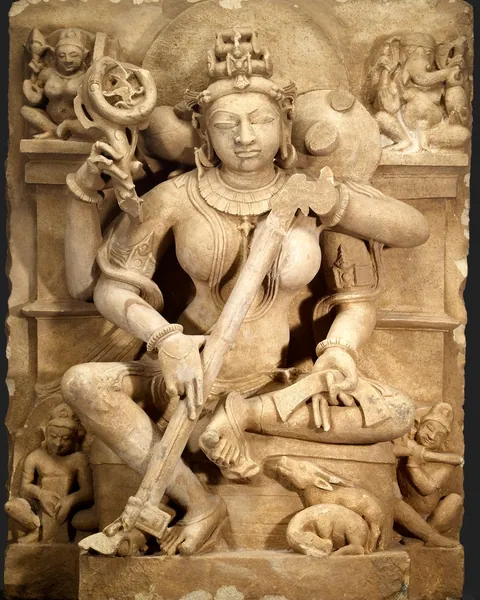
Manjushri

Bodhisattva · Wisdom

Manjushri, 10th century, Himachal Pradesh, India.
Manjushri, 10th century, Himachal Pradesh, India. The Met · Public Domain

Identity and meaning

Manjushri represents wisdom in Buddhism; his name is also rendered in Chinese as Miaojixiang.

Understanding the image

The sword evokes cutting through ignorance, while the manuscript represents wisdom teachings. This historical Indian sculpture illustrates those attributes.

Introductory study and practice guidance

Begin with study and reflection: read a short reliable passage, consider its meaning and note questions. You may respectfully recite Manjushri’s name and dedicate the practice to wisdom and others’ welfare. Follow a teacher’s instructions for deity visualization.

Read scriptures and study guides

Back to categories

Maitreya

Bodhisattva · Future Buddha

Maitreya, early 8th century, probably Swat or Gilgit, present-day Pakistan.
Maitreya, early 8th century, probably Swat or Gilgit, present-day Pakistan. The Met · Public Domain

Identity and meaning

Maitreya is the bodhisattva understood in Buddhist tradition as a future Buddha. Tibetan representations commonly show a princely bodhisattva rather than the East Asian Budai figure.

Understanding the image

The remnant of a water vessel in the left hand is an identifying attribute in the museum’s record.

Introductory study and practice guidance

Cultivate loving-kindness and altruistic aspirations, and explore Maitreya prayers. Choose a reliable introductory course when studying associated treatises.

Sources and learning resources (English)

Back to categories

Kshitigarbha

Bodhisattva · Compassionate vows

Kshitigarbha, first half of the 14th century, Korea.
Kshitigarbha, first half of the 14th century, Korea. The Met · Public Domain

Identity and meaning

Kshitigarbha is revered for compassionate vows to aid suffering beings. Tibetan traditions also preserve praises and dharani practices.

Understanding the image

This East Asian depiction shows Kshitigarbha as a monk with a staff and wish-fulfilling jewel.

Introductory study and practice guidance

Respectful name recitation, scriptural study and care for people in distress provide a starting point. The linked FPMT text permits anyone to practise it; read its own instructions.

Sources and learning resources (English)

Back to categories

Samantabhadra Bodhisattva

Bodhisattva · Vast aspirations

Samantabhadra riding an elephant, 12th–14th century, China.
Samantabhadra riding an elephant, 12th–14th century, China. The Met · Public Domain

Identity and meaning

This entry concerns the Mahayana bodhisattva Samantabhadra and his vast aspirations, distinct from the primordial Buddha bearing the same Sanskrit name in other contexts.

Understanding the image

An elephant mount is characteristic of many East Asian depictions of this bodhisattva.

Introductory study and practice guidance

Study homage, offering, confession, rejoicing and dedication in Samantabhadra’s aspirations. The King of Prayers is also widely recited in Gelug practice.

Sources and learning resources (English)

Back to categories

Vajrapani

Bodhisattva · Awakened power

Vajrapani, 7th–early 8th century, Bihar, India.
Vajrapani, 7th–early 8th century, Bihar, India. The Met · Public Domain

Identity and meaning

Vajrapani, the Vajra Holder, embodies the power that supports and protects the Dharma. Peaceful and wrathful forms occur.

Understanding the image

This historical Indian bodhisattva image is not the wrathful form used in every Vajrapani practice.

Introductory study and practice guidance

Cultivate perseverance, courage to correct mistakes and protection of beneficial action. Confirm lineage requirements for wrathful-deity visualization and ritual practice.

Sources and learning resources (English)

Back to categories

Tara

Tara · Compassionate assistance

Seated Tara, 13th–15th century, Tibet.
Seated Tara, 13th–15th century, Tibet. The Met · Public Domain

Identity and meaning

Tara is revered as a saviour in Tibetan Buddhism. Tara practices occur in several traditions; this site’s current practice-text selection uses Gelug-related sources.

Understanding the image

In this sculpture, the right hand grants boons and the left forms a teaching gesture. The museum identifies it simply as Tara; it is not labelled here as the visualization image for a particular Green or White Tara liturgy.

Introductory study and practice guidance

Begin by reading the Praises to the Twenty-One Taras and reflecting on their meaning. Specific liturgies, including the Four Mandala Offerings, have their own requirements; follow the text and your teacher’s guidance.

Tara praises and practice texts

Back to categories

Green Tara

Female enlightened figure · Compassionate activity

Seated Green Tara, 17th–18th century, Tibet.
Seated Green Tara, 17th–18th century, Tibet. The Met · Public Domain

Identity and meaning

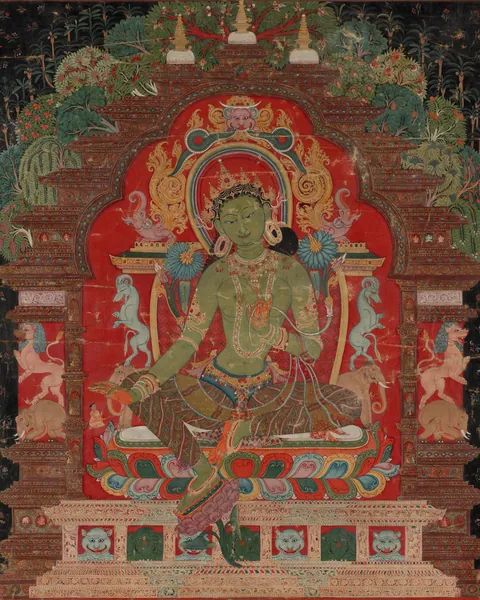
Green Tara is a prominent form of Tara associated with swift compassionate activity, presented separately from the general Tara entry and White Tara.

Understanding the image

The museum explicitly identifies this sculpture as Green Tara. Colour in a metal sculpture or monochrome photograph is not sufficient for identification.

Introductory study and practice guidance

Begin with the Praises to the Twenty-One Taras and compassionate aspirations. The site links Chinese praises; complete rituals such as the four-mandala offering have their own requirements.

Related learning resources

Back to categories

White Tara

Female enlightened figure · Longevity prayers

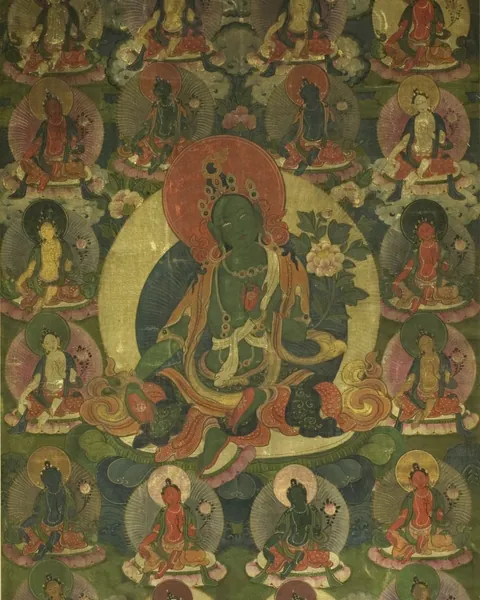
White Tara and Green Tara, 1450–1500, Guge, Western Tibet.
White Tara and Green Tara, 1450–1500, Guge, Western Tibet. The Met · Public Domain

Identity and meaning

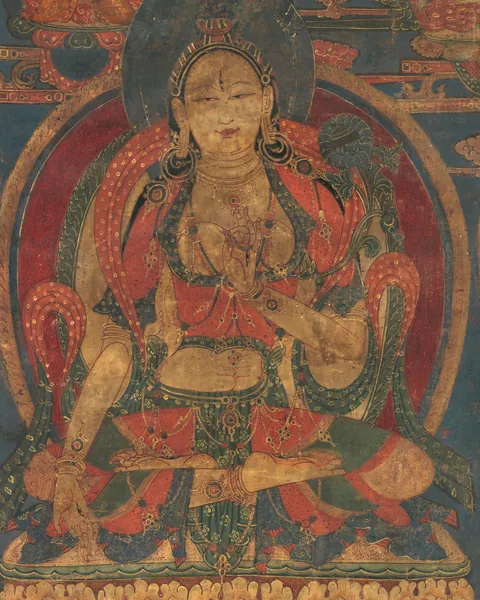
White Tara is one of the three longevity deities, alongside Amitayus and Ushnishavijaya. Longevity aspirations can be directed toward using life for learning and benefiting others.

Understanding the image

This painting includes both White and Green Tara. The entire composition is not a single-deity image; identify details in their particular context.

Introductory study and practice guidance

Explore longevity aspirations and White Tara praises. FPMT provides short teachings and texts; follow their conditions for full visualization or self-generation.

Sources and learning resources (English)

Back to categories

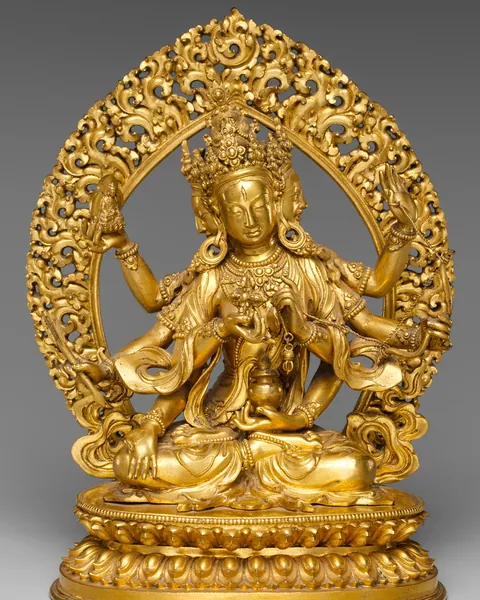
Ushnishavijaya (Namgyalma)

Female enlightened figure · Longevity and purification

Ushnishavijaya, late 17th–18th century, China.
Ushnishavijaya, late 17th–18th century, China. The Met · Public Domain

Identity and meaning

Ushnishavijaya, known in Tibetan as Namgyalma, is one of the three longevity deities and is associated with the Ushnishavijaya dharani.

Understanding the image

Three faces and eight arms are a common form. The attributes of this sculpture should be read with its specific record and ritual context.

Introductory study and practice guidance

Begin with public explanations of the dharani and purification. A particular FPMT sadhana requires subsequent permission based on a great initiation; access to a mantra does not establish eligibility for every ritual.

Sources and learning resources (English)

Back to categories

Vajrasattva

Vajrayana · Purification deity

Standing Vajrasattva, circa 11th century, Western Tibet.
Standing Vajrasattva, circa 11th century, Western Tibet. The Met · Public Domain

Identity and meaning

Vajrasattva is central to Vajrayana purification practice. Introductory study should emphasize acknowledgement and change, not recitation counts alone.

Understanding the image

This is a historical standing image, not a universal illustration for every seated, solitary or consort form.

Introductory study and practice guidance

Study the four opponent powers: reliance, regret, remedy and resolve. FPMT offers an introductory version without initiation; self-generation and consort visualization have separate requirements.

Sources and learning resources (English)

Back to categories

Hayagriva

Vajrayana · Wrathful deity

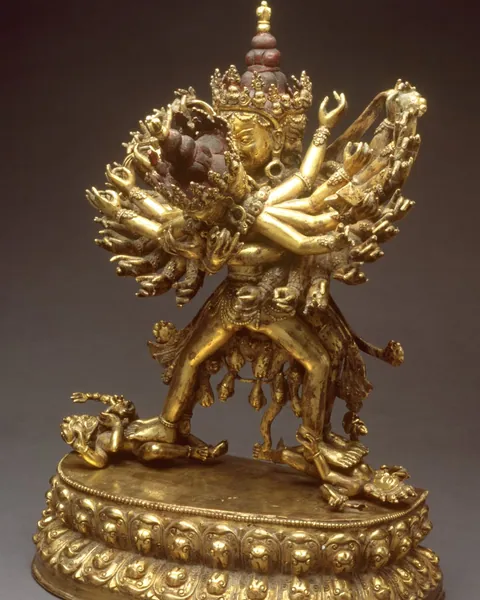
Historical ritual card of Hayagriva, early 15th century, Tibet.
Historical ritual card of Hayagriva, early 15th century, Tibet. The Met · Public Domain

Identity and meaning

Hayagriva has different lineages and forms in Tibetan Buddhism. The site’s Most Secret Hayagriva request and mantra is a Gelug-related resource, not a complete sadhana.

Understanding the image

This historical ritual-card form should not be treated as the visualization image for the Most Secret Hayagriva text.

Introductory study and practice guidance

Check the source and conditions of the chosen text. A request, public mantra and complete deity sadhana are distinct; full practice follows the relevant empowerment, transmission and instruction.

Related learning resources

Back to categories

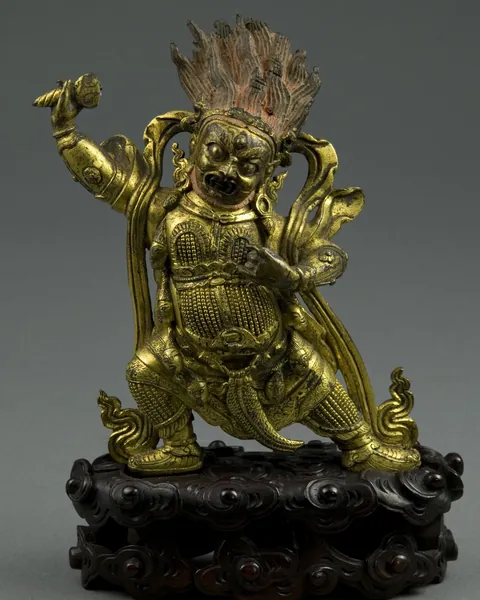
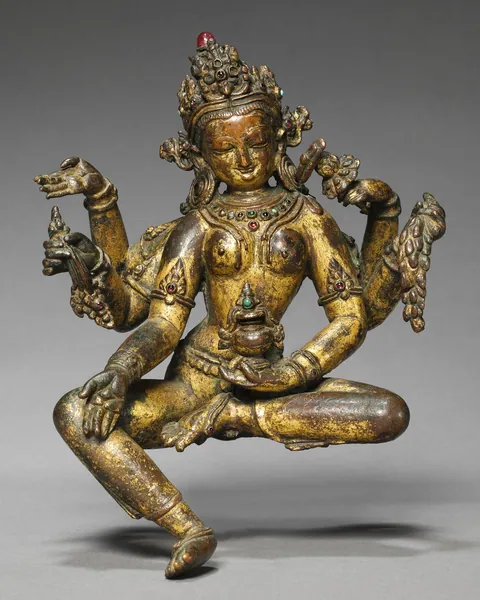
Six-Armed Mahakala

Dharma protector

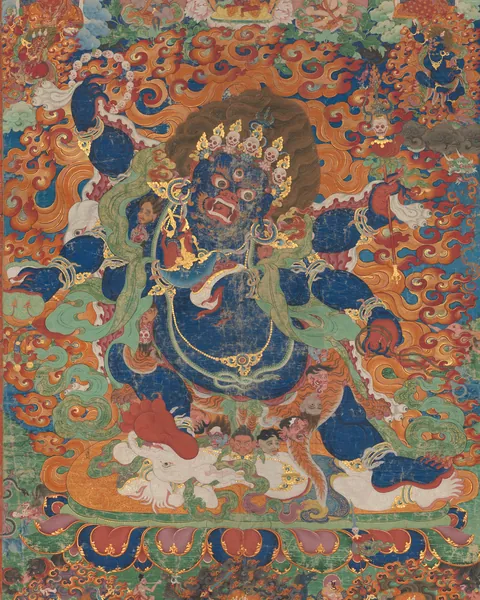
Six-Armed Mahakala, circa 15th century, Tibet.
Six-Armed Mahakala, circa 15th century, Tibet. The Met · Public Domain

Identity and meaning

Mahakala appears in several forms. The six-armed form is among the protectors found in Gelug practice; liturgies for different forms should not be treated as interchangeable.

Understanding the image

Within Buddhist symbolism, wrathful imagery expresses the force of overcoming obstacles to practice; it does not encourage anger or harm toward others. The image is a historical six-armed representation.

Introductory study and practice guidance

Start by learning the protector’s place in the lineage and reading the instructions for public praises. FPMT’s Protector Prayers includes a praise to Six-Armed Mahakala. Confirm lineage, transmission and empowerment requirements before undertaking a full ritual.

Protector prayers and instructions (English)

Back to categories

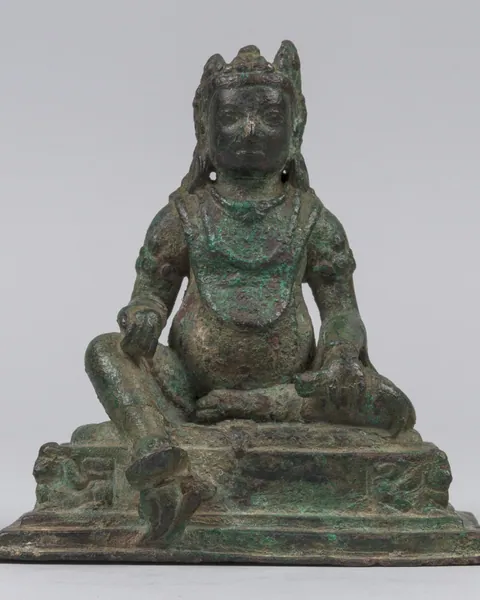
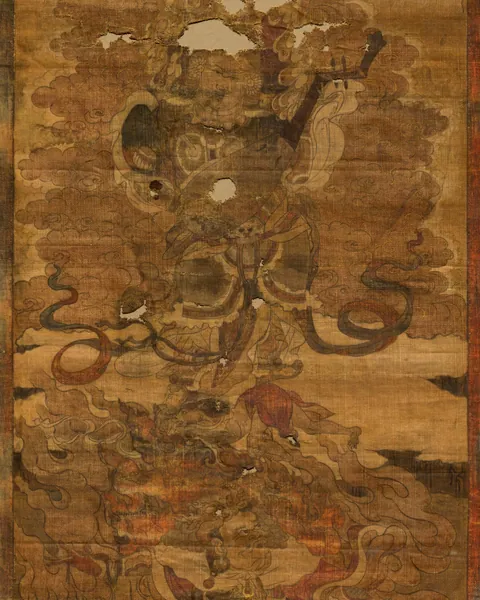
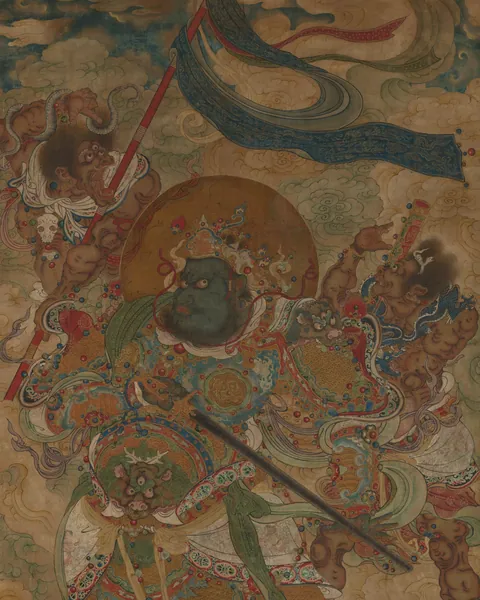
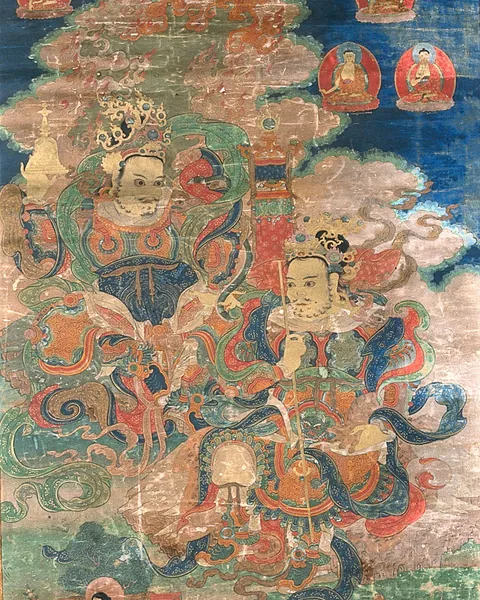
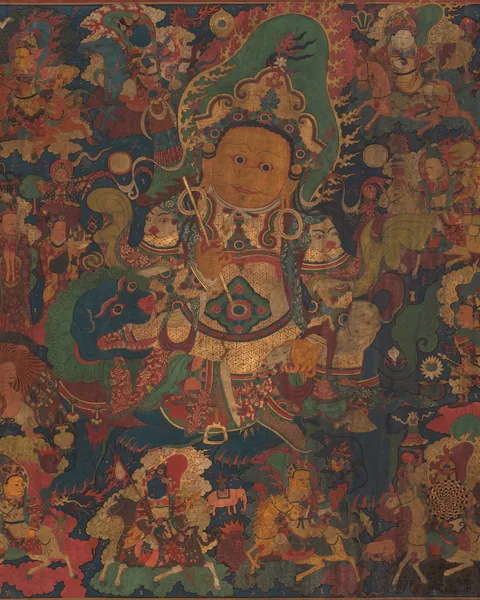
Vaishravana

Protector · One of the Four Guardian Kings

Vaishravana painting, 15th century, Tibet.
Vaishravana painting, 15th century, Tibet. The Met · Public Domain

Identity and meaning

Vaishravana is one of the Four Guardian Kings and is associated with protecting Buddhist teachings and riches.

Understanding the image

This painting presents the protector through his attributes, clothing and retinue. Identify him from the specific image and its source rather than treating all wealth-related Buddhist figures as the same deity.

Introductory study and practice guidance

Let generosity, contentment and ethical conduct inform everyday reflection on protector prayers. FPMT’s Protector Prayers includes a praise to Vaishravana; follow source and teacher guidance for the requirements of a full ritual.

Protector prayers and instructions (English)

Back to categories

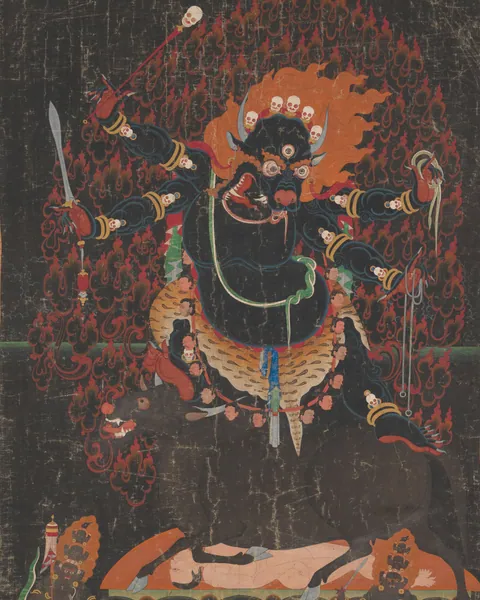
Palden Lhamo

Protector · Female Dharma protector

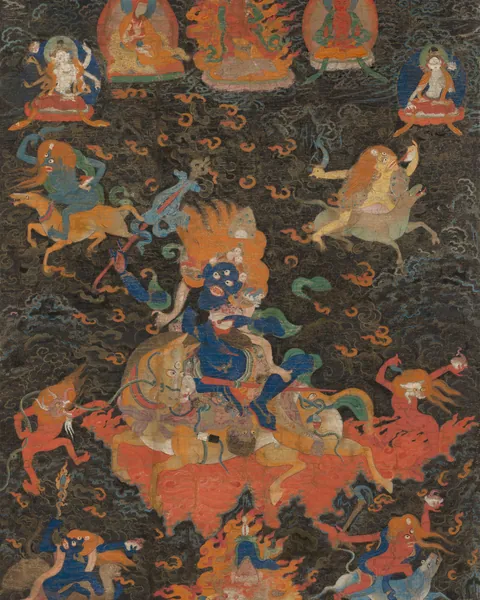
Offerings to Palden Lhamo, late 16th century, Tibet.
Offerings to Palden Lhamo, late 16th century, Tibet. The Met · Public Domain

Identity and meaning

Palden Lhamo is an important female Dharma protector with several forms and lineages, including prayers and offerings used in Gelug contexts.

Understanding the image

The central figure is a four-armed form riding a mule. It should not be interchanged with a two-armed form or another ritual text.

Introductory study and practice guidance

Begin with the meaning of protecting the Dharma and public praises. Details of libation and torma offerings follow the appropriate Gelug text and teacher, not an image alone.

Sources and learning resources (English)

Back to categories

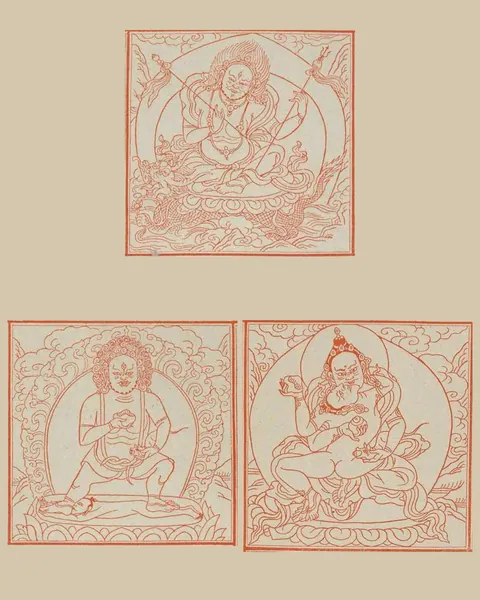
Yama and Yama Dharmaraja

Protector · Distinguishing related names

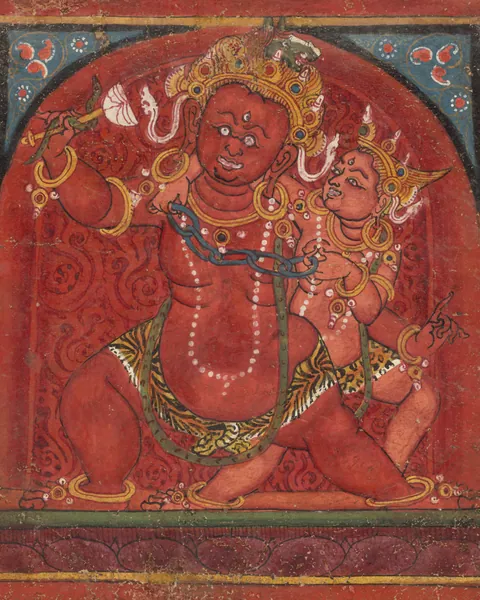
Historical ritual card of Yama, early 15th century, Tibet.
Historical ritual card of Yama, early 15th century, Tibet. The Met · Public Domain

Identity and meaning

Yama may denote the lord of death in Buddhist narratives. Yama Dharmaraja has a particular context in Gelug protector practice; related names do not make every form and text interchangeable.

Understanding the image

The museum identifies this image as Yama. It is not presented as the complete visualization for a specific Gelug ritual.

Introductory study and practice guidance

Reflect on impermanence and consequences of actions, and use the present for beneficial conduct. Confirm the conditions of the relevant Gelug lineage for Dharmaraja offerings and torma rites.

Sources and learning resources (English)

Back to categories

Compiled for introductory study. Updated 9 September 2026. Historical dates may differ between sources; specific practice requirements follow the relevant lineage and teacher.