Discover 29 representative places across the Tibetan Buddhist traditions, with a focus on Gelug. This cultural directory is a starting point, not a complete list.
How to use this page: start with the three great monasteries of Lhasa (Ganden, Drepung and Sera) and Tashi Lhunpo in Shigatse; then Kumbum and Labrang in Amdo, Yonghe Temple in Beijing and Gandan in Ulaanbaatar; then the Gelug monasteries re-established in South India, and finally centres of other traditions and abroad. Places marked “On this site” have longer illustrated guides.
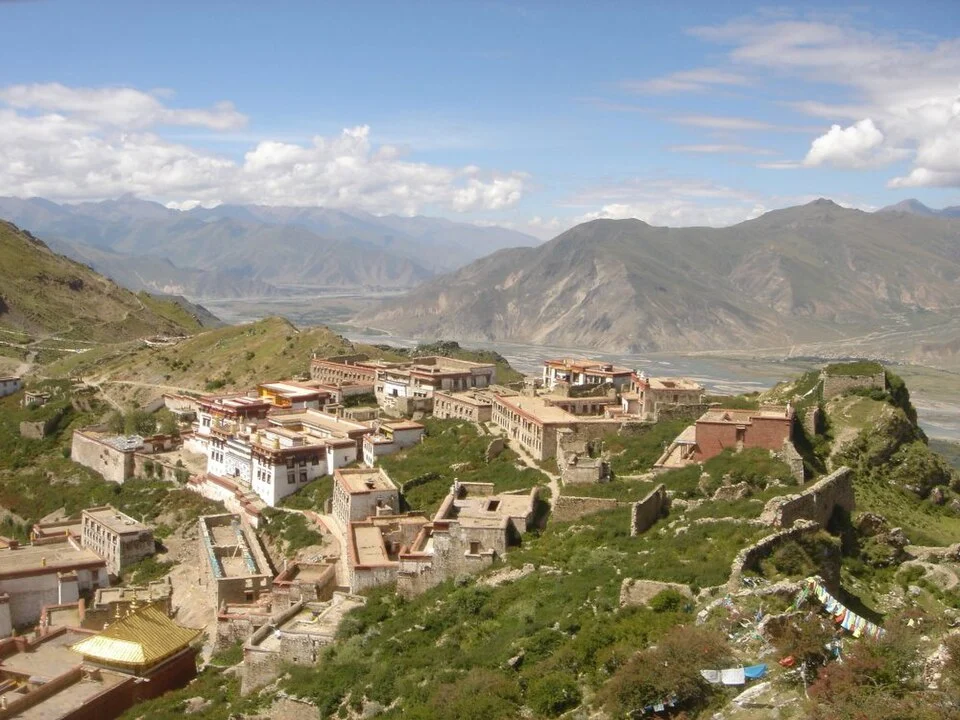
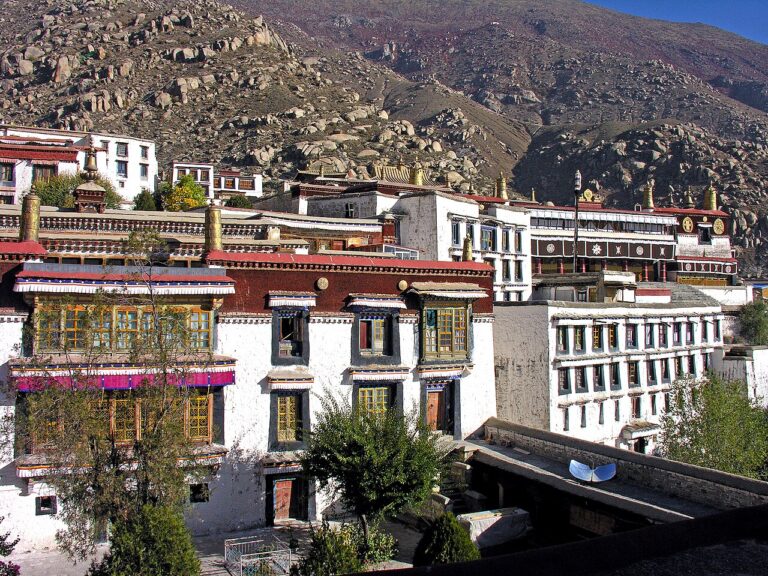
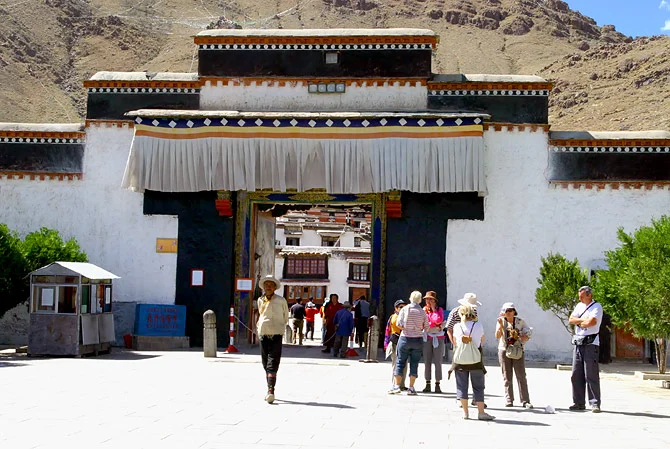
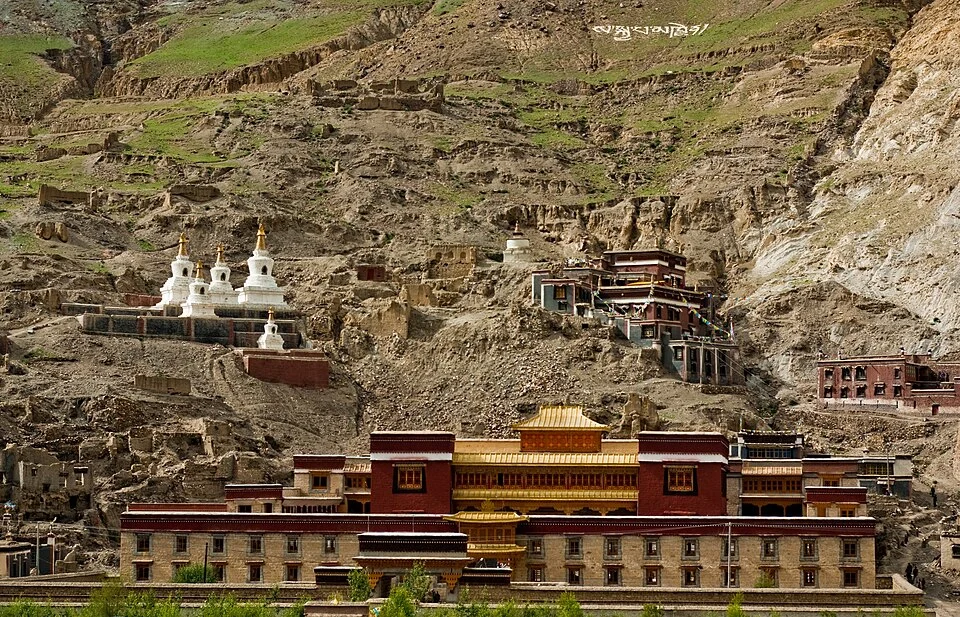
Founded in 1416 by Tsongkhapa’s disciple Jamyang Choje Tashi Palden on the western edge of Lhasa. Historically the largest Tibetan Buddhist monastery; its colleges include Loseling and Gomang.
Look forWhite buildings stepping up the hillside, and the great assembly hall.
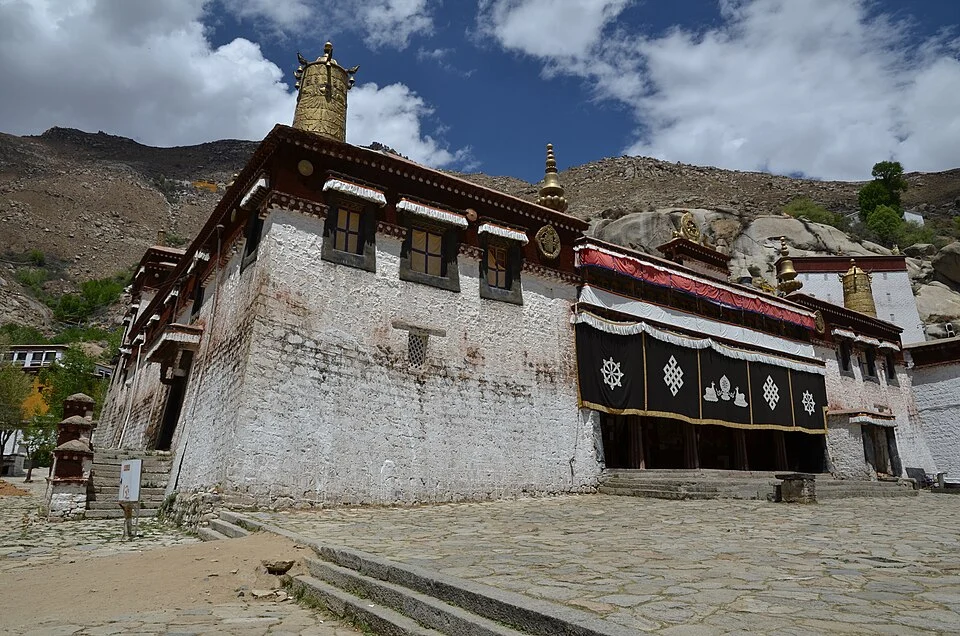
Founded in 1419 by Tsongkhapa’s disciple Jamchen Choje Shakya Yeshe; with Ganden and Drepung one of the three great Gelug monasteries of Lhasa. Sera Jey in India is listed separately.
Look forThe debate courtyard, where monks usually debate in the afternoon (times vary).
China · Lhasa, Tibet · Revered across all Tibetan traditions
Jokhang Temple
Temple / pilgrimage site
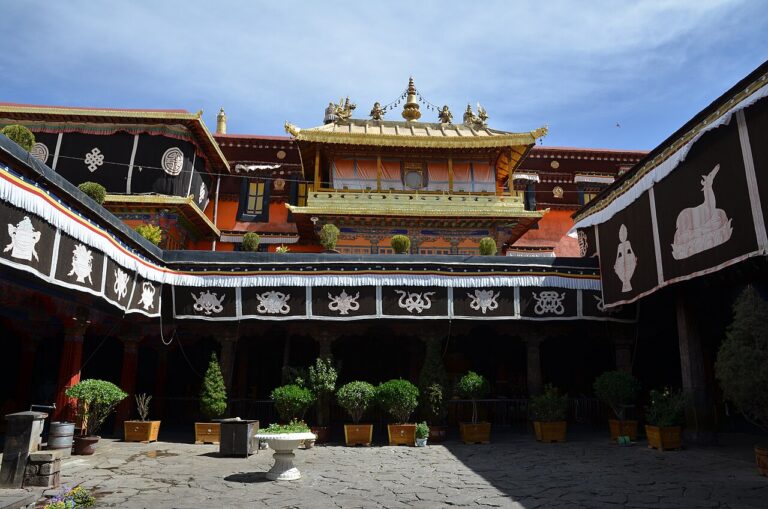
Built in the 7th century, traditionally under King Songtsen Gampo, at the heart of old Lhasa and regarded as the holiest shrine in Tibet. Added to the World Heritage List in 2000 as part of the Potala Palace ensemble.
Look forThe Jowo Shakyamuni statue, said to have been brought to Tibet by Princess Wencheng, and the Barkhor circuit around the temple.
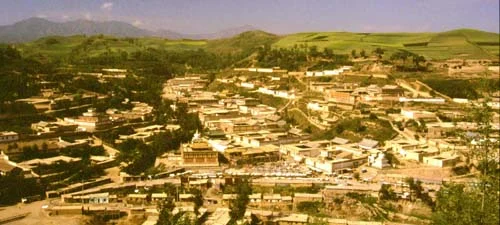
Built at Tsongkhapa’s birthplace around a memorial stupa raised in 1379. The monastery was begun in 1560 and grew to four colleges: philosophy, tantra, medicine and Kalachakra.
Look forThe Great Golden-Roof Hall, whose stupa marks the place of Tsongkhapa’s birth.
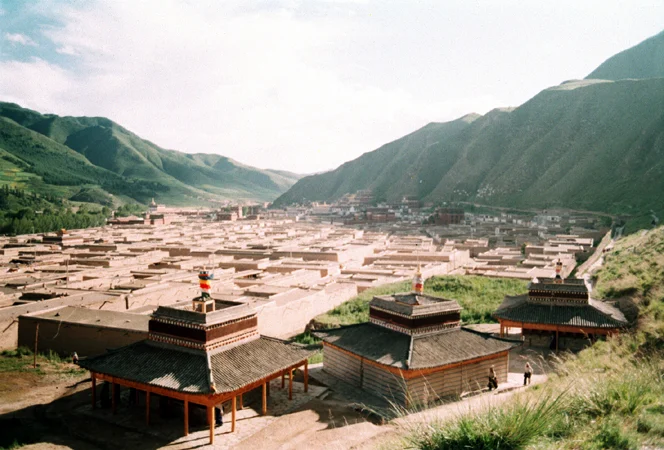
Founded in 1709 by the first Jamyang Zhepa, Ngawang Tsondru; one of the leading Gelug centres of learning in Amdo and among the largest monasteries outside Tibet.
Look forIts six colleges, the largest being the college of philosophy, alongside Kalachakra, medicine and Hevajra.
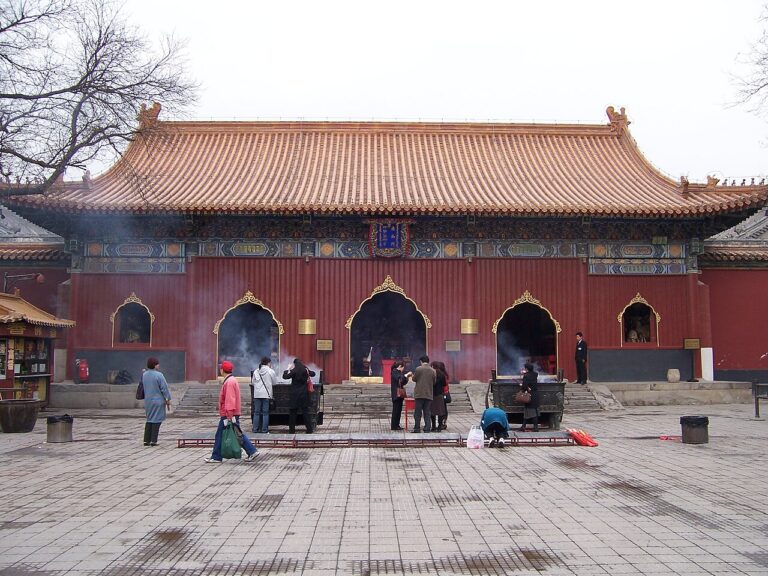
Once a Qing prince’s residence, converted into a Tibetan Buddhist monastery in 1744. A leading imperial monastery of the Qing, and the most accessible Gelug monastery in Beijing.
Look forThe Maitreya carved from a single sandalwood trunk, 18 m above ground and 8 m below, listed by Guinness World Records.
China · Shannan, Tibet · Nyingma / Padmasambhava traditions
Samye
Historic monastery
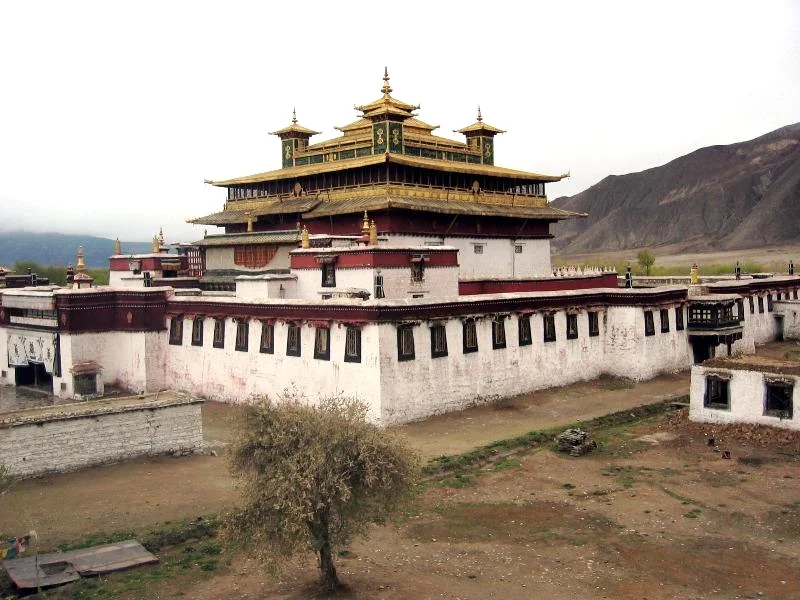
The first monastery in Tibet, built in the 8th century by King Trisong Detsen with the abbot Shantarakshita; tradition says Padmasambhava subdued the local spirits here. Tibet’s first monks were ordained at Samye.
Look forA layout that represents Mount Meru and the four continents, modelled on Odantapuri in India.
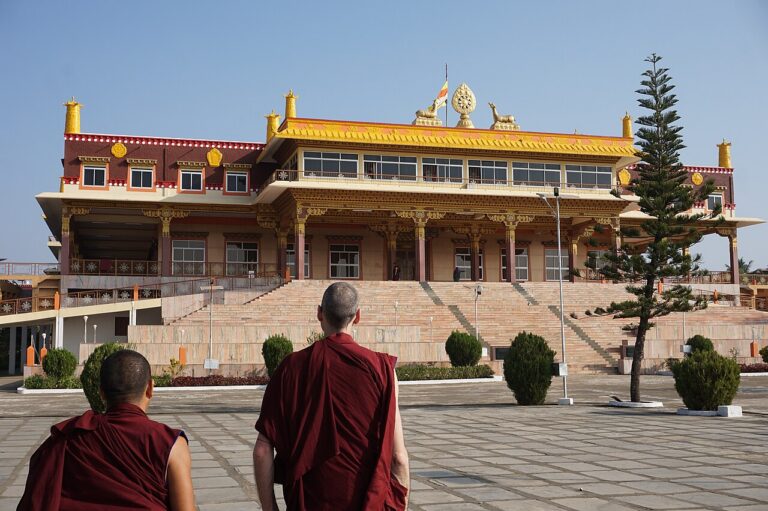
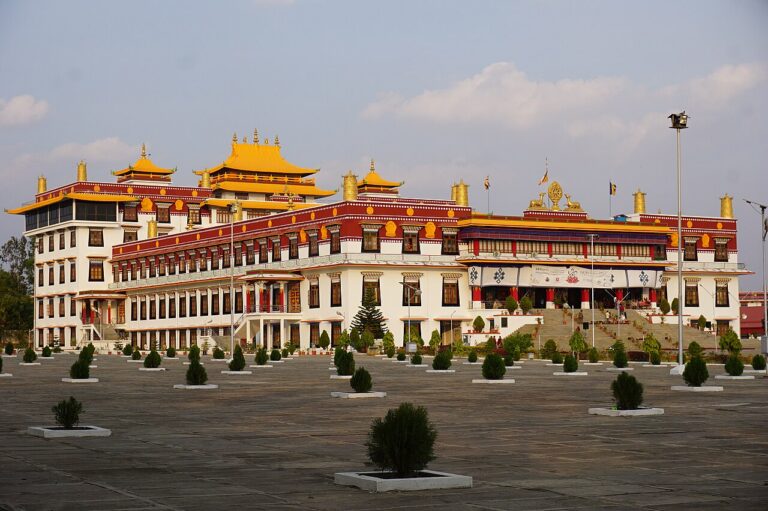
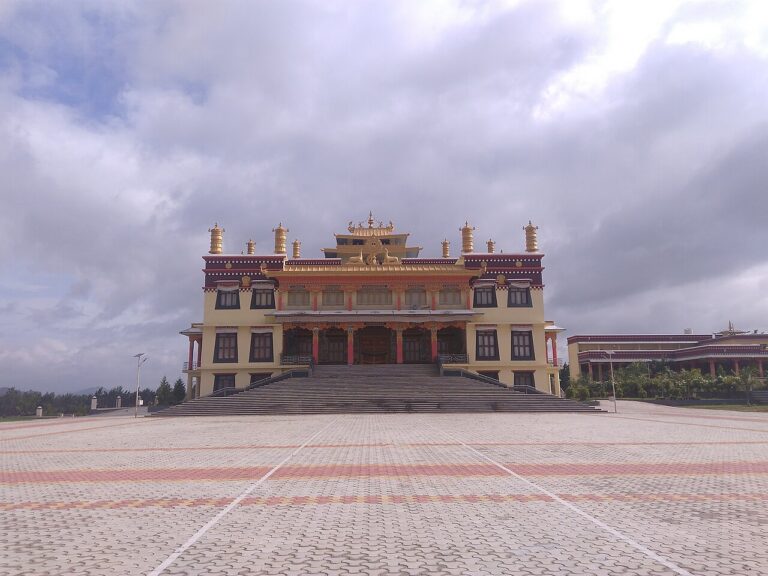
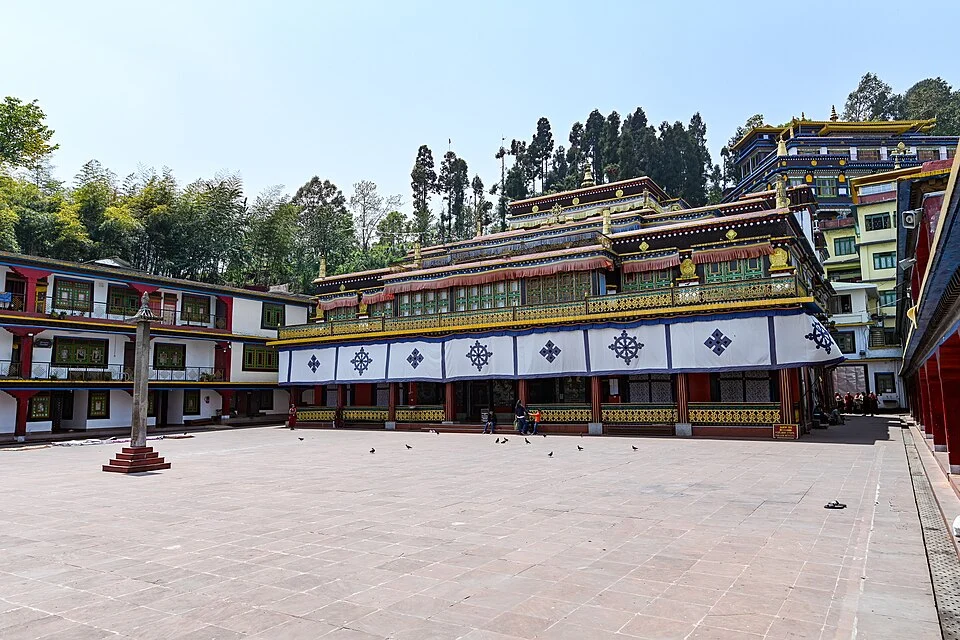
Ganden’s two colleges, Shartse and Jangtse, were re-established side by side at Mundgod in South India around 1969–1971, continuing Ganden’s programme of study.
Look forIt shares the Mundgod settlement with Drepung, so the two can be visited together.
Drepung’s colleges, including Loseling and Gomang, were re-established at Mundgod in South India around 1969–1970, continuing their study and debate traditions.
Look forPrayer halls usually open on weekday mornings and afternoons and close on Mondays; foreign visitors need a Protected Area Permit in advance. Check the monastery’s guidance.
Gyuto was founded in Lhasa around 1474 by Kunga Dondrub; with Gyume it is one of the two great Gelug tantric colleges. In India it moved several times before its foundation stone was laid at Sidhbari in 1989; Gyume was re-established at Hunsur in South India.
Look forFamous for its deep, chordal chanting; its study centres on the Guhyasamaja, Chakrasamvara and Yamantaka tantras.
India · Bylakuppe, Karnataka · Nyingma / Padmasambhava traditions
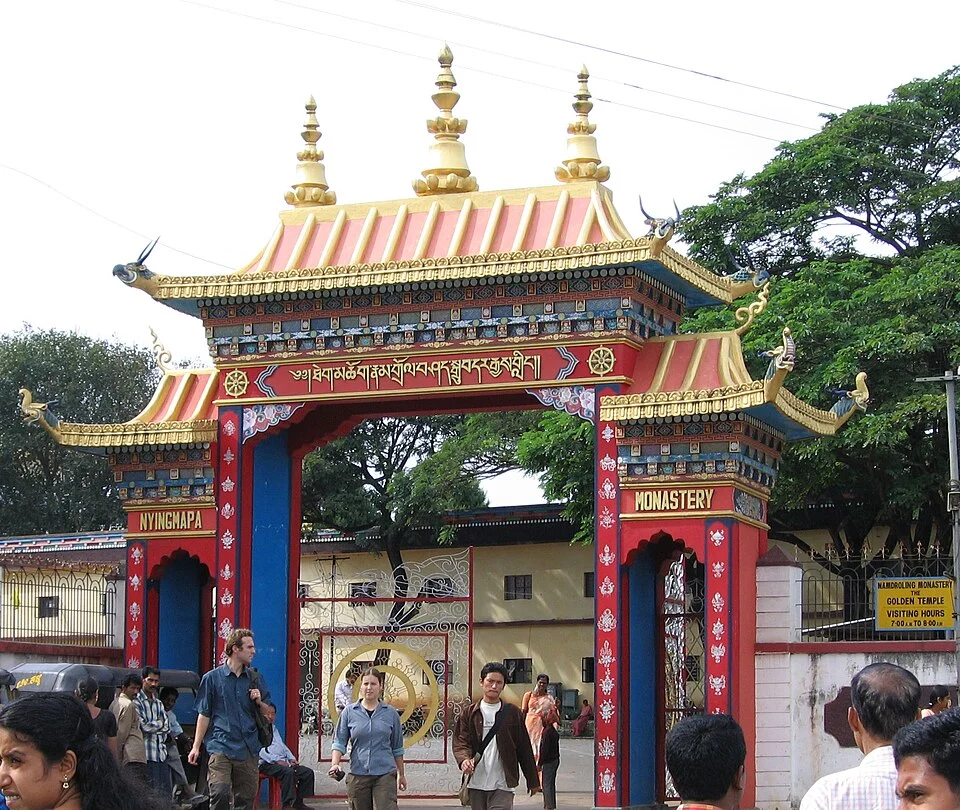
Namdroling Monastery
Monastery / monastic college
Founded in 1963 by Penor Rinpoche, the 11th throne holder of the Palyul lineage. It began with about ten monks and now has more than 9,000 monks and nuns registered.
Look forThe Golden Temple, completed in 1999, and its three great statues.
The original monastery dates from the 18th century; the present one was built under the 16th Karmapa and completed in 1966. An important place for understanding Karma Kagyu monastic culture.
Look forThe golden stupa holding the 16th Karmapa’s relics, and the Karma Shri Nalanda Institute opposite.
Founded in 1969 by Lama Yeshe and Lama Zopa Rinpoche above the Kathmandu valley. Since 1971 it has held a month-long meditation and introductory course every November.
Look forThe November course, and Kopan Nunnery nearby, founded in 1979.
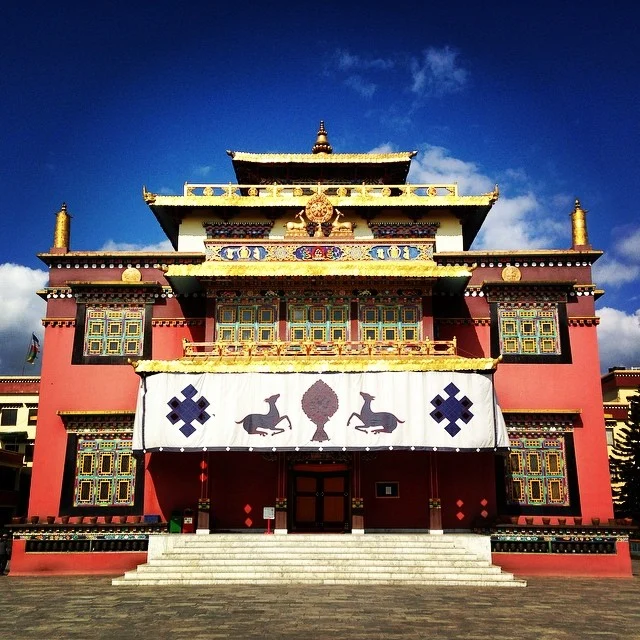
Founded in 1980 by Dilgo Khyentse Rinpoche near the Boudhanath stupa, continuing the tradition of Shechen in Kham; it has about 450 monks.
Look forThe Shechen Institute for Higher Buddhist Studies (1989) with its nine-year course; monks also train in ritual music, sacred dance and painting.
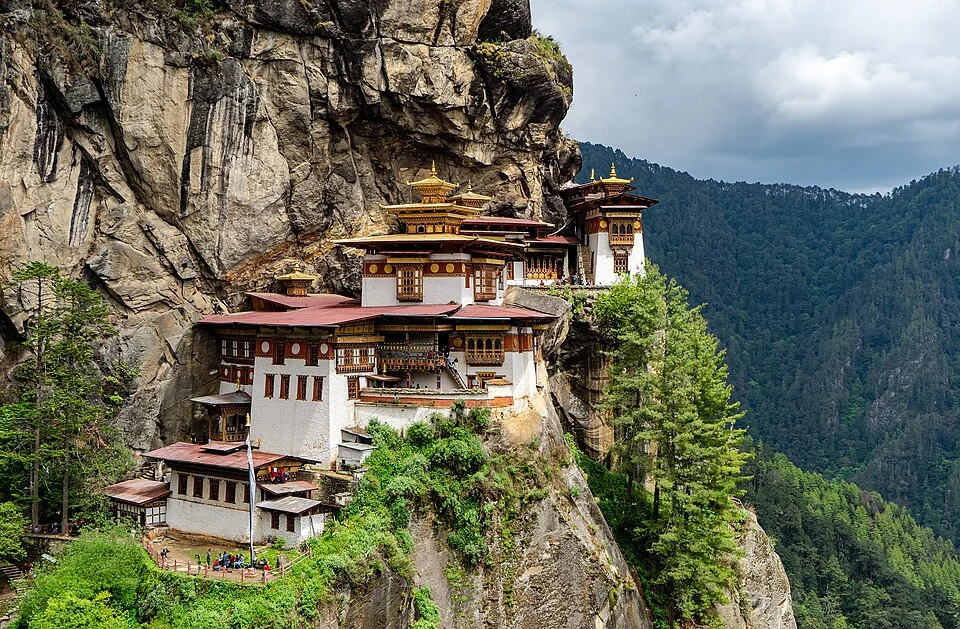
The present temple was built in 1692–1694 on a cliff at about 3,120 m and is dedicated mainly to the eight forms of Padmasambhava. A fire in 1998 damaged it; it has since been restored.
Look forTradition says Padmasambhava arrived here on a tigress to meditate, which gives the site its name.
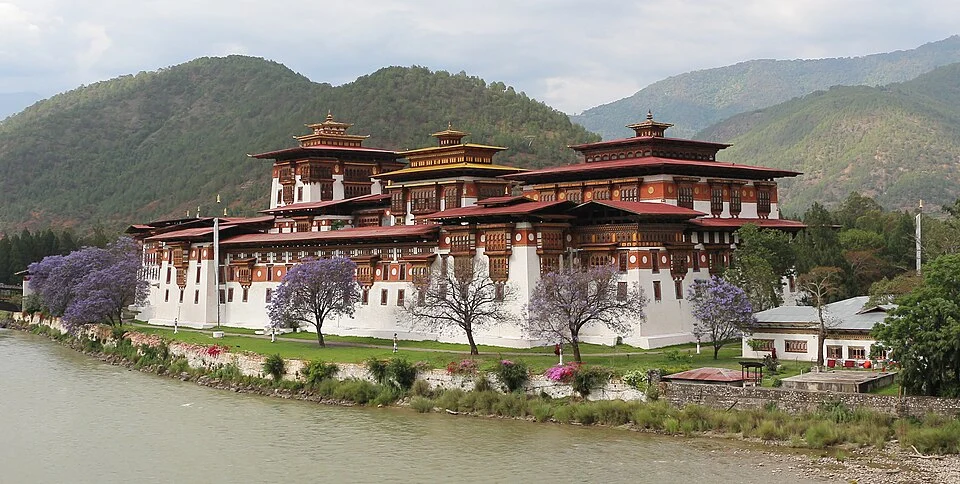
Built in 1637–1638 by Zhabdrung Ngawang Namgyal where the Pho Chhu and Mo Chhu rivers meet; Bhutan’s second-oldest dzong and the winter seat of the central monk body.
Look forThe dzong at the meeting of the two rivers, where every king of Bhutan has been crowned.
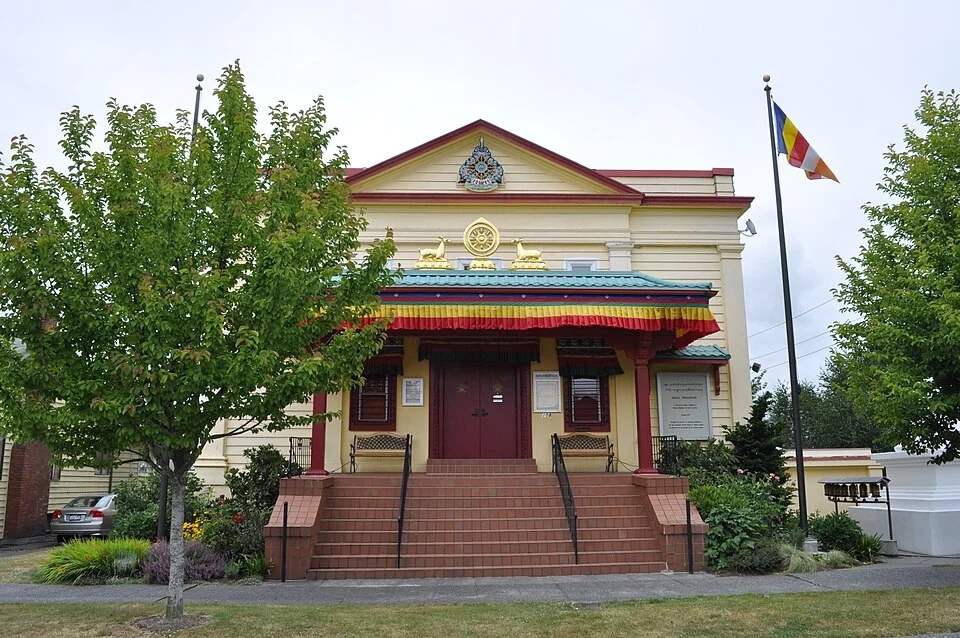
Founded in 1974 by Jigdal Dagchen Sakya and Dezhung Rinpoche and known by its present name since 1984; one of the few traditional Sakya monasteries in North America.
Look forA Sakya lineage led by members of the Khön family.
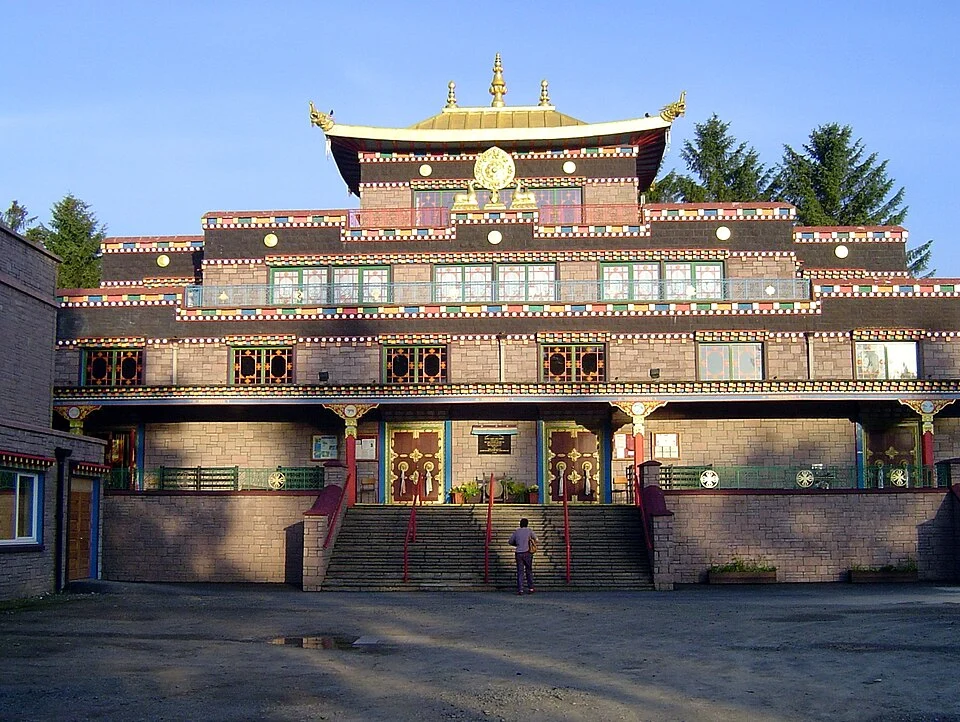
Founded in 1967 by Chögyam Trungpa Rinpoche and Akong Rinpoche and described as the first Tibetan Buddhist centre in the West; its temple was consecrated in 1988.
Look forThe golden temple and great stupa in a Scottish valley; the name comes from Samye, Tibet’s first monastery.
Switzerland · Rikon, Canton of Zurich · All four traditions
Tibet Institute Rikon
Monastery / research library
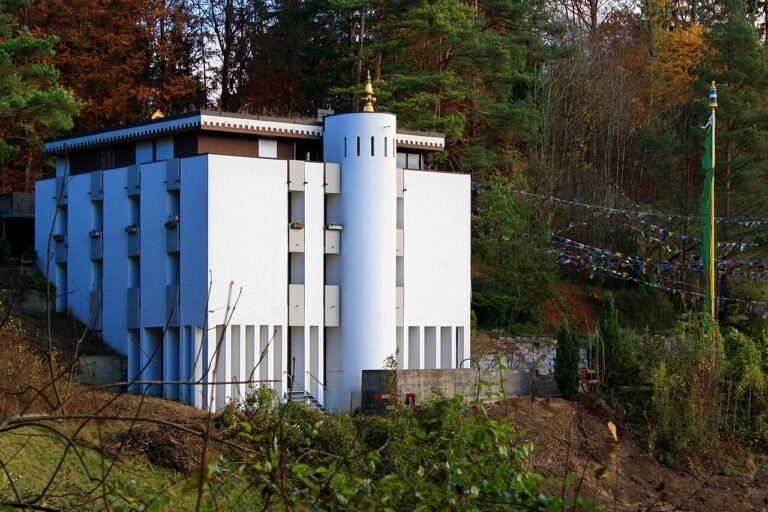
Consecrated in November 1968 as the Monastery of the Wheel of Dharma, one of the earliest Tibetan Buddhist monasteries in the West; it was set up as an “institute” because Swiss law then did not allow new monasteries. Since 2007 its monks have come from all four traditions: Nyingma, Kagyu, Sakya and Gelug.
Look forA specialist library of about 11,000 Tibetan titles, one of the larger of its kind; the monastery and prayer flags on the wooded slope.
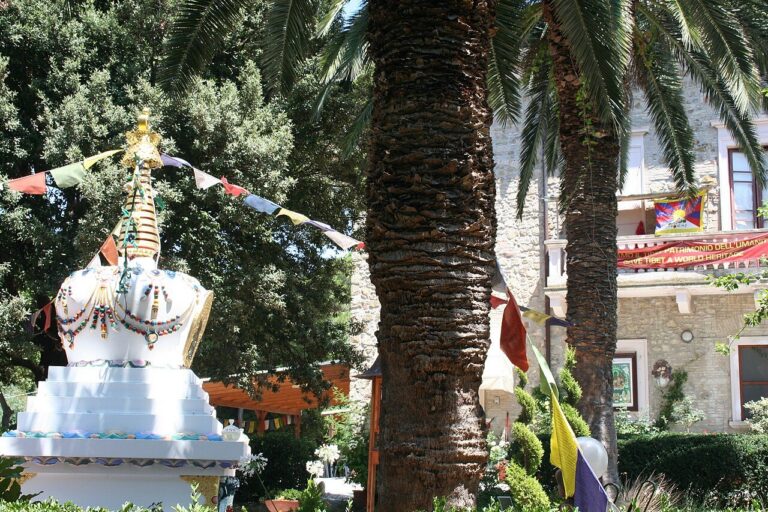
Founded in the mid-1970s by Lama Yeshe and Lama Zopa Rinpoche and named after Tsongkhapa, one of the larger Gelug study centres in Europe. The first Masters Program began here in 1998; the institute also has a community of monks and a nunnery.
Look forThe castle buildings in the Tuscan countryside and the stupa in the garden; courses, meditation and short stays are offered. Check official notices.
Founded in 1981 by Lama Yeshe and Lama Zopa Rinpoche, the first FPMT monastery in the West, offering the Basic Program and the Masters Program. Not to be confused with ancient Nalanda in India.
Look forUsually open to visitors on Sunday afternoons, except during retreats. Check official notices.
Australia · Sunshine Coast hinterland, Queensland · Gelug
Chenrezig Institute
Buddhist study / retreat centre
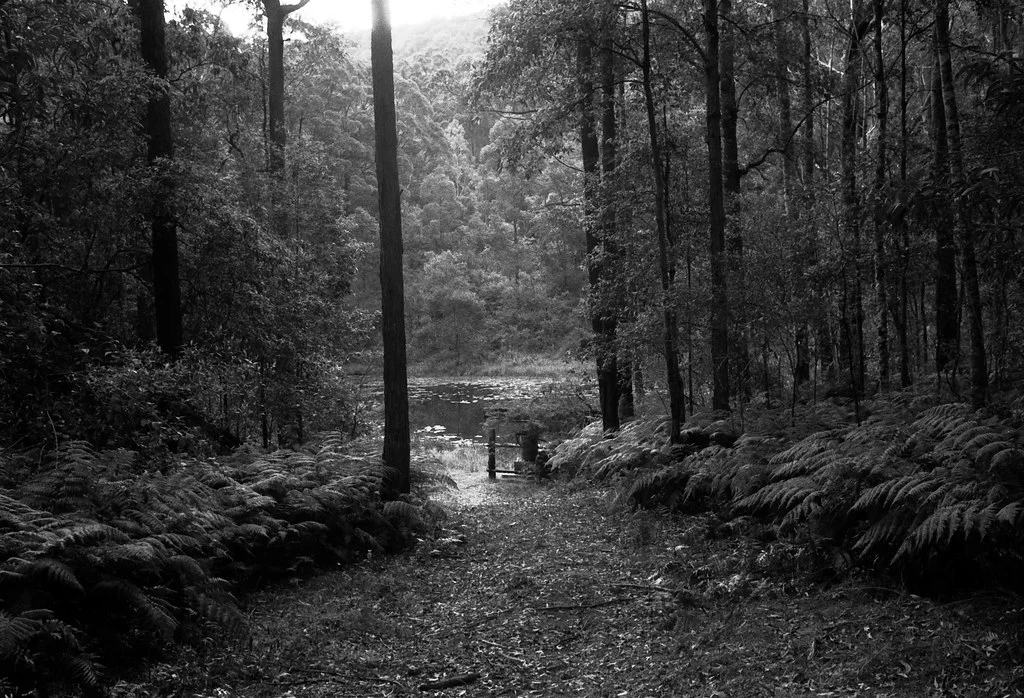
Lama Yeshe and Lama Zopa Rinpoche taught Australia’s first month-long lamrim course here in 1974. It was the first Tibetan Buddhist centre in Australia and the first FPMT centre outside the Indian subcontinent.
Look forSet in the forested hinterland of the Sunshine Coast; it marked its 50th anniversary in 2024.
No matching places. Try a different region, tradition or search.
Visiting a monastery: basic etiquette
Customs vary from place to place; these apply at most Tibetan Buddhist monasteries.
Walk clockwiseWalk around temples and stupas, and turn prayer wheels, clockwise; do not walk against the flow on a kora path. Circumambulation →
Dress and entering hallsDress modestly, covering shoulders and knees; remove hats in halls, and shoes where signs ask.
PhotographyMany halls do not allow photos or charge a fee; ask before photographing monks up close, and do not block or disturb ceremonies and debates.
Images and textsDo not touch statues, thangkas or ritual objects; keep scriptures off the floor and never step over them.
OfferingsOffer a butter lamp, a khata or a donation as you are able. How to offer a khata →
Times and permitsOpening hours, tickets and ceremonies follow each monastery’s notices; foreign visitors may need a permit in advance for some settlements, such as those in South India.
Photos are archival views, not a guarantee of present conditions; resize only, with licences and credits linked. Some places await a suitably licensed photograph. Check official notices before visiting; opening hours and activities can change.