
A guide to the two tantric colleges, their learning and institutional roles.
An edited learning guide · Sources and image credits below
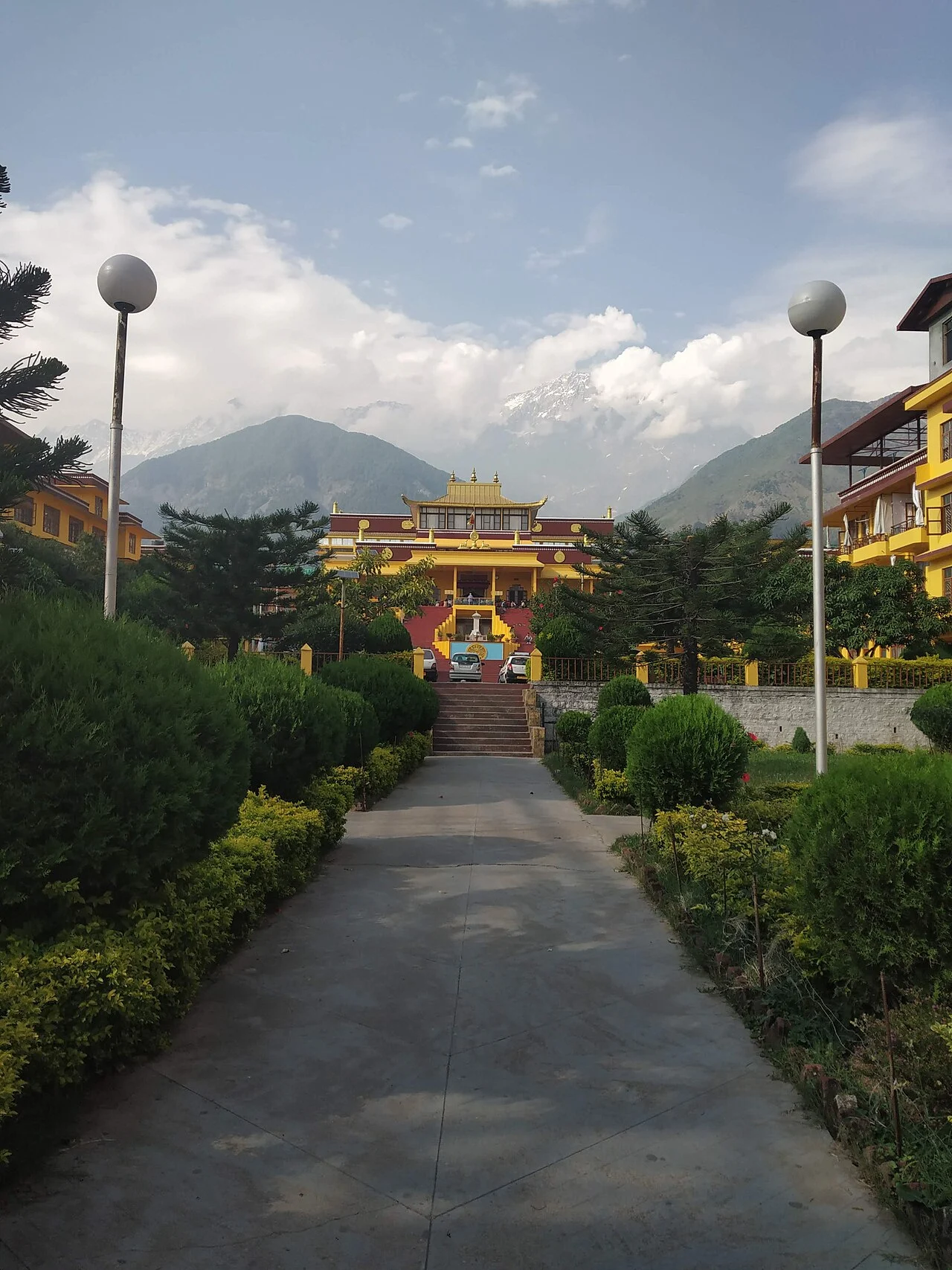
Two foundations
Gyumed, also written Gyudmed, was founded in 1433 by Sherab Senge; Gyuto was founded in 1474 by Kunga Dhondup. The latter should not be confused with Kunkhyen Lodro Rinchen Senge. These foundations show how later generations developed institutions around Tsongkhapa’s tantric legacy.
Foundations and different pathways
The colleges connect philosophical foundations with tantric study, but not every entrant is already a Geshe Lharampa. Institutions may provide basic education as well as advanced courses for geshes. Admission, duration and examinations depend on the actual programme rather than a single universal career chart.
More than chanting
Training can include textual explanation, memorization, debate, chanting, ritual arts and mandala construction. Guhyasamaja, Chakrasamvara and Vajrabhairava are important systems; assigning one deity exclusively to each college is misleading. A public account of the curriculum is not initiation or practice instruction.
Chanting and community life
The deep sustained chanting is linked to textual and ritual traditions and requires training. It is more than a striking vocal technique. Study, shared work, administration and care are also part of community life. Routines vary with seasons, courses and observances.
The connection with Ganden Tripa
The Ganden Tripa succession is connected with education and service in the tantric colleges. The Gyuto line is associated with the Shartse Choje, and Gyumed with the Jangtse Choje; the two lines alternate. Scholarship and long service matter, but this institutional career is not the goal of every student.
Locations and respectful visits
Gyuto is in Sidhbari near Dharamshala; Gyumed is in the Hunsur area of Karnataka. Identify the institution and location in photographs. The monastery determines access to public events and restricted areas. Visiting a temple does not itself confer the prerequisites for tantric practice.
Sources & further reading
Introductory cultural and historical material. Specific tantric practices require the relevant instruction, transmission and, where applicable, empowerment.